5000 Gallon Water Storage Tank the Large Capacity Water Storage Solutions
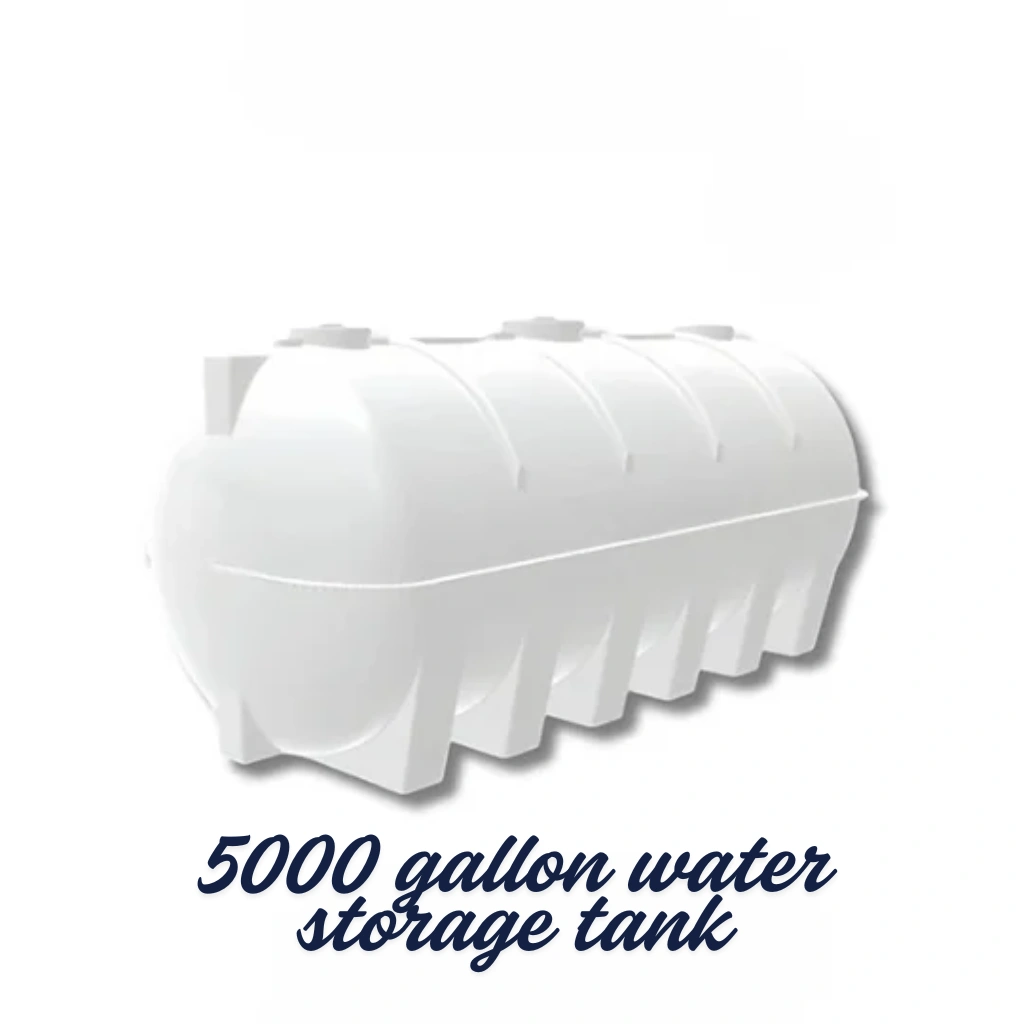
Water security has become increasingly critical for residential properties, agricultural operations, and commercial facilities. A 5000 gallon water storage tank represents a substantial investment in reliability, offering enough capacity to support various applications while remaining manageable in size and cost. This comprehensive guide explores everything you need to know about selecting, installing, and maintaining a 5000 gallon water storage tank for your specific needs.
Material Construction and Design Options
The construction material of your 5000 gallon water storage tank significantly impacts its durability, maintenance requirements, and suitability for different applications. Polyethylene tanks have emerged as the most popular choice for many property owners due to their lightweight construction and resistance to corrosion. These tanks feature seamless, rotationally molded construction that eliminates weak points where leaks might develop. High-density polyethylene (HDPE) offers excellent chemical resistance and can withstand years of exposure to harsh outdoor conditions when properly treated with UV inhibitors.
Steel water storage tanks provide unmatched structural strength for demanding applications. Corrugated bolted steel tanks combine durability with cost-effectiveness, using galvanized panels that resist rust and degradation. These tanks often come with NSF-61 certified liners that ensure safe potable water storage while the steel exterior provides protection against physical damage and extreme weather conditions. Steel construction excels in commercial and industrial settings where fire suppression capabilities are essential, as many steel tanks meet NFPA certification standards.
Fiberglass tanks offer an excellent middle ground between polyethylene and steel options. While they carry a higher initial price point, fiberglass water storage tanks deliver exceptional longevity and require minimal maintenance throughout their service life. The material resists chemical degradation, doesn’t rust, and maintains structural integrity even when storing harsh substances or operating in challenging environmental conditions.
Configuration Choices for Different Space Requirements
Vertical 5000 gallon water storage tank configurations maximize storage capacity while minimizing the footprint on your property. These tanks typically measure between 102 to 140 inches in diameter with heights ranging from 92 to 161 inches, depending on the manufacturer and specific model. The upright design proves ideal for properties with limited horizontal space, making them perfect for residential installations, agricultural operations with compact layouts, or commercial facilities where ground space comes at a premium.
Horizontal storage tanks spread the water weight across a longer footprint, reducing the pressure on any single point of the foundation. This configuration works well for situations where you have ample ground space but want to keep the overall height lower for aesthetic reasons or local zoning requirements. The wider, shorter profile of horizontal tanks can be easier to conceal behind structures or vegetation, maintaining the visual appeal of your property.
The “tuna can” style represents the shortest and widest variation of vertical tank designs. This 5000 gallon water storage tank configuration offers easier access to fittings and maintenance points while still conserving space compared to horizontal options. The lower center of gravity provides enhanced stability, particularly valuable in regions prone to seismic activity or high winds.
Essential Applications Across Multiple Industries
Agricultural operations benefit tremendously from 5000 gallon water storage tank installations. Farms require consistent water access for irrigation systems, livestock hydration, and various processing needs. Having substantial water reserves on-site ensures operations continue smoothly during dry seasons or when municipal water sources experience interruptions. The capacity allows farmers to store water pumped during off-peak hours when electricity costs are lower, then distribute it throughout the day as needed for crop irrigation or animal care.
Fire protection represents another critical application for large-capacity water storage. A 5000 gallon water storage tank can provide emergency water supply for fire suppression systems, particularly in rural areas where hydrant access is limited or nonexistent. This volume of water can support firefighting efforts for extended periods, potentially saving property and lives. Many insurance companies offer premium reductions for properties equipped with adequate fire suppression water storage, making this investment financially advantageous beyond its safety benefits.
Rainwater harvesting systems increasingly incorporate 5000 gallon storage capacity to maximize the value of precipitation. By capturing and storing roof runoff, property owners reduce dependence on municipal water supplies for irrigation, toilet flushing, and other non-potable applications. In regions with distinct rainy and dry seasons, this capacity ensures stored water remains available throughout extended drought periods. The environmental benefits include reduced strain on municipal infrastructure and lower water bills for property owners.
Commercial and industrial facilities utilize 5000 gallon water storage tanks for process water, cooling applications, and emergency backup supplies. Construction sites rely on these tanks for dust control, concrete mixing, and worker facilities. Manufacturing operations need consistent water access for various production processes, making on-site storage essential for maintaining operational continuity.
Critical Selection Factors for Optimal Performance
Color selection affects more than aesthetics when choosing your 5000 gallon water storage tank. Black and dark green tanks block virtually all light penetration, significantly reducing algae growth in stored water. This proves especially important for long-term storage applications where water quality must remain high without frequent treatment. Light-colored tanks may be preferred in extremely hot climates as they reflect more heat, helping keep stored water cooler, but they require more diligent water quality monitoring.
Certification standards ensure your water storage tank meets safety and quality requirements for its intended use. FDA compliance (21 CFR 177.1520) confirms the tank material is suitable for storing potable water without leaching harmful chemicals. NSF-61 certification specifically addresses drinking water system components and their health effects, providing additional assurance for residential water storage. If you plan to use your 5000 gallon water storage tank for drinking water, verify it carries these certifications from a reputable manufacturer.
Foundation requirements vary based on tank configuration and local soil conditions. A fully loaded 5000 gallon water storage tank weighs over 41,000 pounds, creating substantial ground pressure that requires proper support. Vertical tanks need a level, compacted base that distributes weight evenly across the tank’s footprint. Concrete pads offer the most reliable foundation, though properly prepared gravel bases can suffice in many situations. Horizontal tanks distribute weight more broadly but still require adequate support to prevent settling or tipping.
Fitting configurations deserve careful consideration during the selection process. Standard 5000 gallon water storage tanks typically include a 22-inch threaded manway for access and filling, plus inlet and outlet fittings in various sizes. Many tanks feature multiple flat surfaces on the top and bottom specifically designed for additional fitting installation. Planning your plumbing connections before purchase allows the manufacturer to install fittings precisely where you need them, saving installation time and ensuring proper system function.
Installation Planning and Site Preparation
Proper site preparation ensures your 5000 gallon water storage tank performs reliably for decades. Begin by evaluating the location for level ground, adequate drainage, and accessibility for both initial installation and future maintenance. The area must support the full weight of the loaded tank without risk of settling or shifting. Clear vegetation and remove organic material that could decompose beneath the tank, potentially causing uneven settling over time.
Access requirements include sufficient clearance for delivery trucks and any equipment needed for positioning the tank. Large vertical tanks may arrive fully assembled, requiring crane service for placement, while some corrugated steel tanks ship as kits for on-site assembly. Factor these logistics into your site selection and budget planning. Ensure service access remains available for future maintenance, repairs, or eventual replacement.
Plumbing integration connects your 5000 gallon water storage tank to water sources and distribution systems. Inlet piping should include appropriate filtration for rainwater harvesting applications to prevent debris accumulation. Outlet connections require properly sized valves and piping to deliver adequate flow rates for your intended applications. Consider installing overflow provisions to direct excess water away from the tank foundation, preventing erosion or structural damage during heavy rainfall events.
Venting provisions prevent vacuum formation as water drains from the tank and allow air to escape during filling. Inadequate venting can cause tank deformation, reduce flow rates, or create dangerous negative pressure situations. Most 5000 gallon water storage tanks include vented lids as standard equipment, but verify this feature before purchase and ensure vents remain clear during operation.
Long-Term Maintenance and Water Quality Management
Regular inspection schedules help identify potential issues before they become serious problems. Examine your 5000 gallon water storage tank quarterly for signs of damage, leaks, or degradation. Check fittings for tightness and inspect gaskets for wear that might allow contamination. Look for algae growth, sediment accumulation, or any changes in water color or odor that might indicate quality problems requiring attention.
Cleaning procedures vary based on tank material and water use. Polyethylene tanks generally require annual interior cleaning to remove accumulated sediment and prevent bacterial growth. This involves draining the tank, scrubbing interior surfaces with appropriate cleaning solutions, and thoroughly rinsing before refilling. Steel and fiberglass tanks have similar requirements, though specific cleaning agents may differ based on liner materials and manufacturer recommendations.
Water treatment considerations depend on your storage duration and intended use. For drinking water storage, regular testing ensures safety and quality. Treatment options include chlorination, UV sterilization, or filtration systems that maintain water quality during extended storage periods. Even non-potable applications benefit from basic treatment to prevent mosquito breeding, eliminate odors, and protect connected equipment from biological fouling.
Winter preparation proves essential in cold climates to prevent freeze damage to your 5000 gallon water storage tank. Insulation blankets or heated enclosures protect stored water and prevent tank damage from ice formation. Alternatively, draining the tank before freezing temperatures arrive eliminates damage risk, though this sacrifices your water reserve during winter months. Consider your climate and usage patterns when developing a winter management strategy.
Cost Considerations and Financial Planning
Pricing for 5000 gallon water storage tanks varies significantly based on material, configuration, and features. Polyethylene tanks typically represent the most economical option, with prices influenced by tank design, color, and included fittings. Steel tanks command higher prices due to material costs and often complex installation requirements, but they deliver superior durability and may offer better long-term value for demanding applications. Fiberglass options fall in the upper price range but require minimal maintenance over their extended service life.
Installation expenses can exceed the tank purchase price depending on site conditions and complexity. Professional installation ensures proper foundation preparation, correct positioning, and appropriate plumbing connections. While some property owners with construction experience may handle installation independently, professional services provide valuable expertise and often include warranty protection that DIY installations lack.
Long-term operational costs remain minimal for most 5000 gallon water storage tanks when properly maintained. Budget for periodic inspections, occasional cleaning, and potential repairs to fittings or accessories. Energy costs for pumping water into elevated tanks or pressurizing distribution systems should factor into your overall financial analysis. Calculate potential savings from reduced municipal water consumption against these operational expenses to determine your true return on investment.
Frequently Asked Questions
How much space do I need for a 5000 gallon water storage tank?
Space requirements depend on your chosen tank configuration. Vertical tanks require a circular area approximately 9 to 12 feet in diameter with heights ranging from 7 to 14 feet. You should allow additional clearance around the tank for maintenance access, typically 2 to 3 feet on all sides. Horizontal configurations need longer footprints but less vertical clearance. Always verify specific dimensions with the manufacturer before site preparation, as measurements vary between brands and models.
Can I use a 5000 gallon water storage tank for drinking water?
Yes, when properly selected and maintained. Choose tanks manufactured with FDA-compliant materials and NSF-61 certification specifically designed for potable water storage. The tank must be cleaned before initial use to remove manufacturing residues, and regular maintenance ensures continued water quality. Install appropriate filtration and consider water treatment systems for long-term storage. Regular testing confirms water safety, particularly for systems supplying drinking water to homes or facilities.
What is the typical lifespan of a 5000 gallon water storage tank?
Polyethylene tanks properly maintained typically last 15 to 25 years, with UV-resistant formulations and proper site conditions extending service life. Steel tanks with quality galvanized coatings and NSF-61 certified liners often include 20-year warranties and can function for 30 years or more with appropriate maintenance. Fiberglass tanks frequently outlast both alternatives, sometimes providing 40 years of service. Actual lifespan depends on material quality, environmental conditions, maintenance practices, and usage patterns.
Do I need a permit to install a 5000 gallon water storage tank?
Permit requirements vary by jurisdiction. Many municipalities require permits for large water storage installations, particularly when connected to drinking water systems or used for fire suppression. Setback requirements may dictate minimum distances from property lines, buildings, or septic systems. Check with your local building department and homeowners association before purchase to understand specific regulations governing water tank installations in your area. Obtaining proper permits protects your investment and ensures insurance coverage remains valid.
How do I prevent algae growth in my water storage tank?
Select dark-colored tanks that block light penetration, eliminating the primary condition supporting algae growth. Keep the tank covered with proper lids that seal tightly while providing necessary venting. Regular cleaning removes organic matter that feeds algae development. For critical applications, consider installing inline filtration and UV sterilization systems that maintain water quality during storage. Some property owners add food-grade chlorine or other approved treatments to further discourage biological growth, particularly in warm climates where algae thrives.