How Much Is a Highland Cow: Complete Pricing Guide
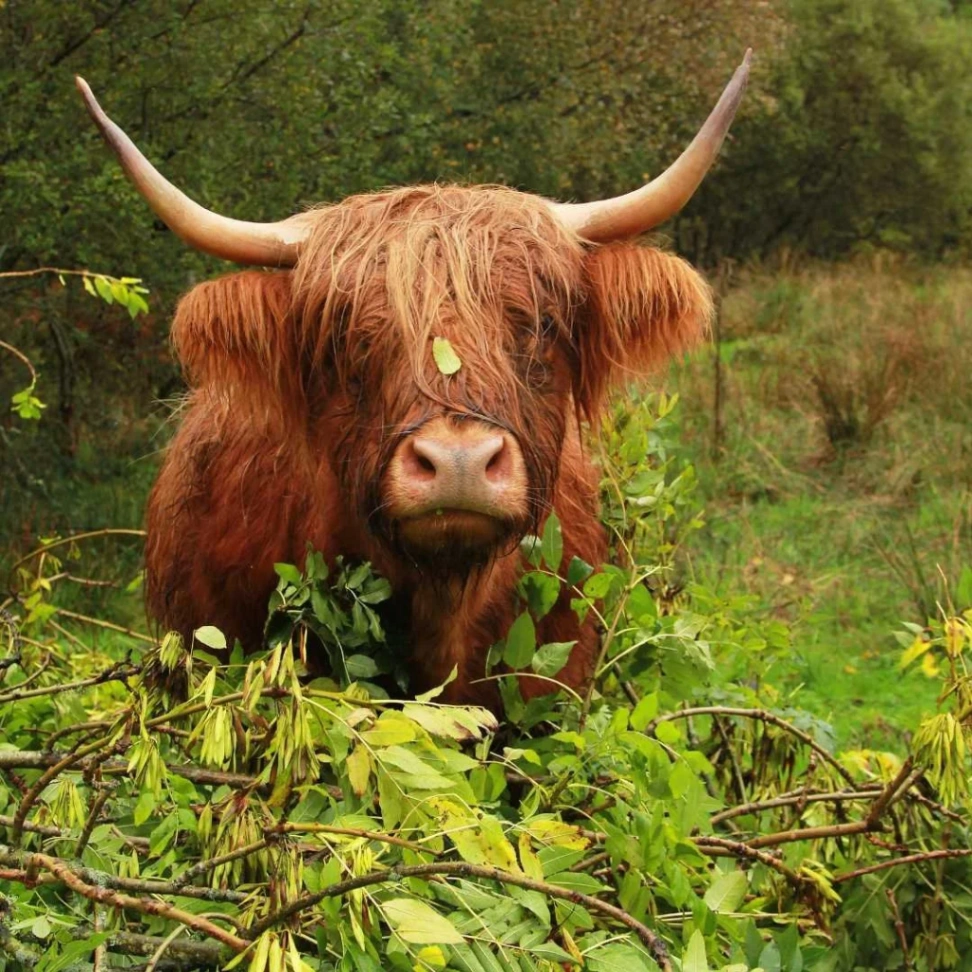
The enchanting appeal of Highland cattle has captivated farmers, hobby enthusiasts, and homesteaders across the globe. These majestic creatures with their distinctive shaggy coats and impressive horns are more than just photogenic animals for social media posts. Understanding how much is a Highland cow requires diving deep into various pricing factors, market dynamics, and ownership considerations that extend far beyond the initial purchase price.
Understanding Highland Cattle Pricing Fundamentals
When people first ask how much is a Highland cow, they often expect a straightforward answer. The reality presents a far more nuanced picture. Highland cattle prices fluctuate dramatically based on multiple variables, creating a pricing spectrum that ranges from several thousand dollars to well over fifty thousand for exceptional specimens. Recent market data indicates that standard Highland calves typically begin around fifteen hundred to twenty-five hundred dollars for basic quality animals, while registered specimens with superior bloodlines can command four thousand to five thousand dollars or more.
The dramatic shift in Highland cattle valuation becomes evident when examining market trends over recent years. Where registered Highland cows averaged between fifteen hundred and thirty-two hundred dollars just a few years ago, current market conditions have pushed average prices to approximately nineteen thousand dollars per head at major sales events. This remarkable increase reflects growing demand, limited availability of quality breeding stock, and the breed’s rising popularity among diverse farming operations.
Age-Related Price Variations
Age stands as one of the most significant determinants when evaluating how much is a Highland cow. Young calves represent the most accessible entry point for prospective buyers, though affordability remains relative in today’s competitive market. Calves from weaning age through approximately one year old generally start between fifteen hundred and forty-five hundred dollars, with pricing heavily influenced by registration status and genetic background.
Mature Highland cattle command substantially higher prices due to their proven status and immediate productivity potential. Breeding-age cows typically range from four thousand to ten thousand dollars, with most quality animals settling in the five thousand to six thousand dollar range. Confirmed pregnant cows add several thousand dollars to the base price since buyers effectively acquire two animals in a single transaction. These mature females offer immediate breeding capabilities, eliminating the waiting period associated with raising calves to reproductive maturity.
Bulls present their own unique pricing structure within the Highland cattle market. Standard Highland bulls generally cost between two thousand and four thousand dollars, though exceptional breeding bulls with proven genetics and outstanding conformation can exceed ten thousand dollars. The breeding potential of quality bulls justifies premium pricing, as these animals directly influence herd genetics and offspring quality across multiple breeding seasons.
Gender Differences in Highland Cattle Valuation
Gender significantly impacts pricing when determining how much is a Highland cow. Heifers, young females that haven’t yet produced calves, typically command prices starting at six thousand dollars or higher. Their breeding potential makes them particularly valuable to operations focused on herd expansion and genetic improvement. The investment in quality heifers pays long-term dividends through offspring production and herd development over the animal’s productive lifespan.
Steers, castrated males raised primarily for meat production, generally range from three thousand five hundred to five thousand dollars. While less expensive than heifers due to their lack of breeding capability, steers still represent valuable livestock for operations focused on beef production. Their docile nature and efficient feed conversion make them practical choices for meat-focused farms and homesteads seeking high-quality beef without breeding program commitments.
The Premium Miniature Highland Market
Miniature Highland cattle have revolutionized traditional pricing structures within the breed. These selectively bred smaller variants often cost as much as or significantly more than their full-size counterparts. Miniature Highland calves typically start around two thousand dollars, while adult miniatures can range from twenty-five hundred to twelve thousand dollars depending on size, genetics, and breeding quality.
The miniature market’s explosive growth stems from several converging factors. Social media exposure has dramatically increased awareness and desirability of these compact cattle, while their suitability for smaller properties makes them accessible to hobby farmers with limited acreage. Supply remains extremely constrained relative to demand, as developing true miniature Highland cattle requires years of careful selective breeding. Some specialized micro Highland specimens from elite breeding programs command prices approaching or exceeding fifty thousand dollars.
When considering how much is a Highland cow in the miniature category, buyers should expect to pay premium prices for animals measuring under forty-two inches at the hip. The most diminutive specimens, sometimes marketed as teacup or micro Highlands, consistently fetch the highest prices due to their extreme rarity and overwhelming market demand. These animals represent significant breeding program investments spanning multiple generations of careful selection.
Pedigree and Registration Impact
Registration status profoundly influences how much is a Highland cow in today’s market. Animals registered with the American Highland Cattle Association or other recognized breed organizations command substantial premiums over unregistered cattle. Registration provides documented proof of pedigree, genetic background, and breed purity, offering buyers confidence in their investment and enabling participation in breeding programs and show competitions.
Cattle with exceptional pedigrees tracing to award-winning bloodlines or renowned breeding programs can easily exceed ten thousand dollars. These premium animals offer genetic value that extends beyond individual worth, providing breeding stock that can elevate entire herd quality through superior offspring production. Breeders investing in elite genetics often recoup initial costs through calf sales and breeding fees over subsequent years.
Unregistered Highland cattle, while lacking formal documentation, serve valuable roles in various farming operations. These animals typically cost considerably less than registered counterparts, making them accessible options for buyers primarily interested in meat production, brush control, or companion animals rather than breeding programs. Quality unregistered Highlands from reputable sources can provide excellent value for specific operational needs.
Health and Veterinary Considerations
Health status and veterinary history significantly affect how much is a Highland cow. Animals with comprehensive health records, current vaccinations, and documented veterinary care command higher prices reflecting their verified wellness and reduced health risks. Buyers should prioritize cattle with complete health documentation, as medical issues can quickly escalate costs and jeopardize investment value.
Genetic health testing adds another dimension to Highland cattle valuation. DNA typing confirms parentage and helps identify potential hereditary issues, providing buyers with crucial information for breeding decisions. While genetic testing increases upfront costs, it offers invaluable peace of mind and helps maintain herd health across generations.
Reproductive health particularly impacts pricing for breeding stock. Cows with documented fertility, successful calving history, and proven maternal ability justify premium prices. Similarly, bulls with proven breeding success and healthy offspring production represent valuable investments for operations focused on herd improvement and genetic advancement.
Geographic and Market Demand Factors
Location substantially influences how much is a Highland cow within different regions. Areas with established Highland cattle populations often offer more competitive pricing due to greater availability and breeder competition. Conversely, regions where Highlands remain relatively scarce typically see elevated prices reflecting limited supply and strong demand from interested buyers.
Transportation costs can add hundreds to thousands of dollars to the total investment depending on distance and logistics. Buyers purchasing animals from distant locations must factor in shipping expenses, health certificates, interstate transportation requirements, and potential quarantine protocols. These additional costs can substantially impact overall acquisition expenses, particularly for out-of-state or cross-country purchases.
Seasonal demand fluctuations also affect Highland cattle pricing. Spring typically sees heightened market activity as farms expand herds and new calves become available. This increased demand often drives prices upward during peak seasons. Buyers with flexible timelines may find better values during fall and winter months when demand traditionally moderates.
Long-Term Ownership Expenses
Understanding how much is a Highland cow requires looking beyond purchase price to comprehensive ownership costs. Annual feed expenses typically range from three hundred to eight hundred dollars per animal depending on pasture availability and supplemental feeding requirements. Highland cattle are efficient grazers capable of thriving on roughage, but winter months and limited grazing conditions necessitate hay and grain supplementation.
Veterinary care represents another ongoing expense category. Routine health maintenance including vaccinations, deworming, and annual examinations typically costs between one hundred and four hundred dollars annually per animal. Unexpected health issues can add two hundred to one thousand dollars or more to veterinary expenses. Preventive care through regular health monitoring helps minimize emergency veterinary costs while maintaining herd health.
Infrastructure requirements add to long-term ownership expenses. Proper fencing, adequate shelter, water systems, and handling equipment represent necessary investments for Highland cattle operations. Annual maintenance on barns, fences, and equipment typically runs two hundred to five hundred dollars depending on farm size and infrastructure condition. These ongoing costs ensure animal welfare and operational efficiency.
Breeding Program Investments
Operations focused on breeding Highland cattle face additional financial considerations beyond basic ownership costs. Breeding expenses include artificial insemination services, pregnancy verification, calving assistance when needed, and calf care supplies. Successful breeding programs also invest in genetic improvement through careful bull selection and occasional outside genetics introduction.
Breeding stock represents the foundation of any Highland cattle program. Quality breeding females with proven production and desirable genetics form the core of successful operations. Bulls with exceptional conformation, temperament, and genetic profiles provide herd improvement across multiple breeding seasons. Initial investments in superior breeding stock typically exceed costs for commercial cattle, but superior offspring quality and marketability justify premium pricing.
Show-quality Highland cattle occupy the premium end of the market spectrum. Animals suitable for exhibition and competition demonstrate exceptional breed characteristics, outstanding conformation, and impressive presence. Show cattle can range from five thousand to fifteen thousand dollars or more, with champion bloodlines commanding even higher prices. Exhibition success enhances breeding program reputation and offspring marketability.
Miniature vs Standard Highland Economics
The economic comparison between miniature and standard Highland cattle presents interesting considerations for prospective buyers evaluating how much is a Highland cow. While miniatures often carry higher initial purchase prices, their reduced feed requirements and suitability for smaller properties can offset upfront costs. Standard Highlands require more extensive pasture and consume greater feed quantities, but typically produce larger calves with higher market weights.
Miniature Highlands excel in niche markets focused on hobby farming, companion animals, and small-scale operations. Their manageable size makes them attractive to first-time cattle owners and those with limited livestock experience. Standard Highlands remain preferred for commercial beef production and larger-scale breeding operations where size and productivity advantages outweigh miniature premium pricing.
Property size often dictates which option makes practical sense. Miniature Highlands thrive on properties of one to two acres, making them viable for suburban and small rural properties. Standard Highlands typically require at least two acres per animal for adequate grazing, with larger operations providing superior pasture conditions and animal welfare.
Purchasing Channels and Strategies
How much is a Highland cow can vary significantly based on purchasing channel selection. Direct breeder purchases typically offer the most transparency regarding animal history, health records, and breeding information. Established breeders provide valuable guidance to new owners and often maintain ongoing support relationships. Breeder prices reflect these services and the reputation built through years of quality animal production.
Livestock auctions present alternative purchasing opportunities potentially offering lower prices. However, auction purchases involve greater uncertainty regarding animal health, background, and genetic quality. Thorough pre-purchase examinations and careful bidding strategies help auction buyers secure quality animals at competitive prices while avoiding problematic livestock.
Online marketplaces have expanded geographic reach for Highland cattle buyers, enabling nationwide searches for specific animals meeting particular criteria. Virtual shopping requires diligence in verifying breeder reputation, requesting comprehensive health records, and arranging appropriate pre-purchase examinations. Distance purchases add shipping logistics and costs but can connect buyers with ideal animals unavailable locally.
Color and Aesthetic Premiums
Coat color influences how much is a Highland cow within certain market segments. Traditional Highland colors including red, black, yellow, and brindle each attract particular buyer preferences. Rarer colors or particularly striking specimens may command premium prices from buyers seeking specific aesthetic qualities. However, color represents just one factor among many influencing overall value.
Horn development and conformation also affect perceived value and pricing. Highland cattle with impressive horn sets displaying proper curvature and proportionate development appeal to buyers prioritizing breed standards and show potential. Polled Highlands, naturally hornless animals, attract buyers concerned about horn-related injuries or preferring low-maintenance cattle.
Overall appearance and presence impact pricing particularly for show animals and breeding stock. Cattle demonstrating exceptional breed type, balanced conformation, and eye-catching appearance justify premium prices. These aesthetic qualities combine with functional traits to create animals that excel both in the show ring and as productive breeding stock.
Making Informed Purchase Decisions
Determining how much is a Highland cow worth to your specific operation requires careful consideration of multiple factors. Buyers should clearly define their objectives, whether focusing on breeding, meat production, companionship, or combination purposes. Different goals align with different price points and animal characteristics, making objective clarity essential for sound purchasing decisions.
Budget planning should encompass both initial acquisition costs and ongoing ownership expenses. Conservative financial planning accounts for unexpected veterinary costs, infrastructure needs, and market fluctuations. Adequate financial preparation ensures animals receive proper care throughout their productive lifespans.
Working with reputable breeders provides valuable expertise and reduces purchase risks. Established operations with positive reputations typically maintain higher standards for animal health, genetic quality, and customer service. While premium breeders may charge higher prices, the additional value through animal quality and ongoing support often justifies incremental costs.
Investment Value and Returns
Highland cattle can represent sound agricultural investments when approached strategically. Quality breeding stock produces valuable offspring, with well-bred calves commanding strong market prices. Successful breeding operations recoup initial investments through calf sales while building valuable breeding herds that appreciate over time.
Highland beef production offers another avenue for investment returns. The breed’s lean, flavorful meat commands premium prices in specialty beef markets. Direct marketing to consumers and restaurants can maximize profit margins on finished cattle, particularly for grassfed and organic production systems.
Agritourism opportunities provide additional revenue streams for Highland cattle operations. The breed’s distinctive appearance and gentle nature make them popular attractions for farm tours, educational programs, and event hosting. Creative entrepreneurs leverage Highland cattle appeal to diversify farm income beyond traditional agricultural channels.
Questions About Highland Cow Costs
What is the average cost of a Highland cow?
The average cost of a Highland cow varies significantly based on age, quality, and purpose, but typically ranges from fifteen hundred dollars for basic calves to ten thousand dollars or more for premium breeding stock. Standard registered calves generally cost between twenty-five hundred and forty-five hundred dollars, while mature breeding cows average five thousand to nine thousand dollars. Market conditions, geographic location, and specific animal characteristics create substantial price variation within these ranges.
Are miniature Highland cows more expensive than standard size?
Yes, miniature Highland cows typically cost more than standard-sized cattle despite their smaller stature. Miniature Highlands generally range from twenty-five hundred to twelve thousand dollars, with some exceptional specimens exceeding fifty thousand dollars. Their premium pricing reflects intensive selective breeding requirements, extremely limited supply relative to demand, and overwhelming popularity among hobby farmers and small property owners. The years of careful breeding needed to produce true miniatures justifies their elevated market values.
How much does it cost annually to maintain a Highland cow?
Annual Highland cow maintenance typically costs between six hundred and fifteen hundred dollars per animal, encompassing feed, veterinary care, and infrastructure upkeep. Feed expenses account for three hundred to eight hundred dollars annually depending on pasture quality and supplementation needs. Routine veterinary care adds one hundred to four hundred dollars yearly, while infrastructure maintenance contributes another two hundred to five hundred dollars. Unexpected expenses can increase annual costs, making budget flexibility important for responsible ownership.
Do registered Highland cattle cost more than unregistered?
Registered Highland cattle consistently command significantly higher prices than unregistered animals. Registration provides documented pedigree verification, enables participation in breed programs, and increases breeding value. The premium for registered cattle typically ranges from one thousand to several thousand dollars depending on the animal’s quality and bloodlines. However, unregistered Highlands serve valuable roles for operations prioritizing meat production or companionship over breeding programs.
What factors most significantly affect Highland cow prices?
Age, gender, size category, pedigree quality, and registration status most dramatically impact Highland cow pricing. Age determines production potential and immediate usability. Gender affects breeding capability and market demand. Miniature designation typically doubles or triples pricing compared to standard sizes. Superior pedigrees from champion bloodlines can add thousands to an animal’s value. Registration provides documented value justification. These primary factors interact to create the wide pricing spectrum observed across the Highland cattle market.
Is buying a Highland cow a good investment?
Highland cattle can represent excellent investments when purchased strategically and managed properly. Quality breeding stock generates returns through offspring sales, with well-bred calves commanding strong market prices. The breed’s longevity, often exceeding twenty years of productive life, provides extended return periods on initial investments. Highland beef’s premium market pricing offers profit potential for meat-focused operations. However, success requires adequate knowledge, appropriate facilities, and commitment to proper animal care throughout their lengthy productive lives.