Non Potable Water Meaning and Its Critical Role in Modern Water Management
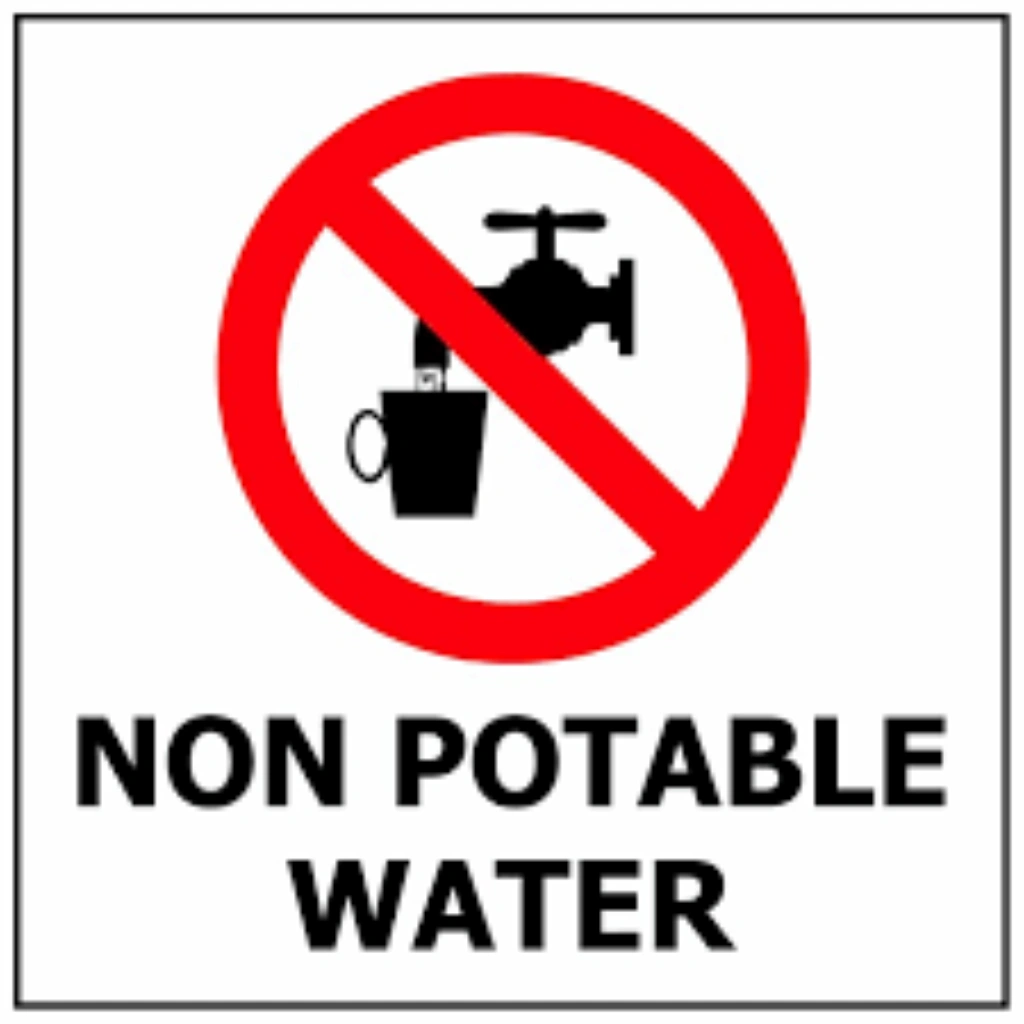
Water sustains every aspect of human life, yet not all water serves the same purpose. While some water flows freely from our taps for drinking and cooking, other sources remain strictly off-limits for consumption. Understanding non potable water meaning becomes essential as communities worldwide grapple with water scarcity and seek innovative solutions for conservation. The distinction between safe drinking water and unusable sources shapes everything from residential plumbing systems to large-scale industrial operations, making this knowledge crucial for homeowners, businesses, and environmental planners alike.
Defining Non Potable Water: What It Really Means
Non potable water meaning encompasses any water unsuitable for human consumption due to contaminants, pathogens, or pollutants. The term originates from the Latin word “potare,” meaning to drink, with the prefix “non” indicating water that cannot be safely consumed by humans. This classification doesn’t render the water worthless; rather, it designates specific limitations on how the water can be utilized without endangering public health.
The designation of non potable water extends beyond simply tasting unpleasant or appearing murky. This category includes water that may look perfectly clear yet harbors invisible dangers such as harmful bacteria, viruses, heavy metals, or chemical compounds. Water not treated to drinking standards remains classified as non potable, regardless of its appearance or source. Municipal water authorities, environmental agencies, and industrial facilities must clearly label and segregate these water sources to prevent accidental consumption and ensure proper handling protocols.
Understanding non potable water meaning requires recognizing that quality exists on a spectrum. Some non potable sources may be relatively clean and suitable for numerous applications with minimal treatment, while others contain hazardous substances requiring extensive purification or complete avoidance. The specific contaminants present determine both the potential risks and the possible secondary uses for any given non potable water source.
Exploring the Various Sources and Types of Non Potable Water
Non potable water originates from diverse sources, each carrying distinct characteristics and contamination profiles. Common sources include untreated water from lakes, springs, ground wells, groundwater, and rivers. These natural sources accumulate pollutants from agricultural runoff, industrial discharge, wildlife activity, and natural mineral deposits that make them unsafe for direct consumption without comprehensive treatment.
Greywater represents one of the most prevalent forms of household non potable water. This wastewater emerges from sinks, showers, washing machines, and dishwashers, containing soap residues, food particles, hair, and various personal care products. While greywater doesn’t pose severe health risks compared to sewage, it remains unsuitable for drinking and requires proper handling. Many environmentally conscious households now capture and redirect greywater for landscape irrigation, reducing overall water consumption without compromising safety.
Stormwater and rainwater constitute another significant category of non potable sources. When precipitation falls on roofs, parking lots, streets, and other impervious surfaces, it collects pollutants including oil, heavy metals, pesticides, and debris. Although rainwater collected directly from clean roof surfaces tends to be relatively pure, it still lacks the treatment necessary for safe consumption and qualifies as non potable until properly purified.
Recycled or reclaimed water emerges from wastewater treatment facilities that process sewage to varying degrees. These facilities remove contaminants through biological, chemical, and physical treatment methods, producing water clean enough for specific non-drinking applications. The quality of reclaimed water varies significantly based on treatment intensity, with highly treated recycled water approaching drinking water standards while still maintaining its non potable classification due to psychological and regulatory factors.
Industrial process water and cooling tower discharge add yet another dimension to non potable water sources. These waters often contain specific chemicals, heat, and dissolved solids related to manufacturing processes. Pool backwash water, containing concentrated chlorine and other treatment chemicals, also falls under the non potable category despite originating from sanitized sources.
Health Hazards Associated With Non Potable Water Consumption
Consuming non potable water poses serious health threats ranging from mild discomfort to life-threatening conditions. Microorganisms in non potable water include viruses, bacteria such as Salmonella, Campylobacter, and E. coli, plus parasites like Giardia and Cryptosporidium. These pathogens may lurk in water appearing perfectly clear and clean, deceiving individuals who assume visual clarity indicates safety.
The gastrointestinal system bears the brunt of waterborne illness. Severe gastroenteritis causes prolonged vomiting and diarrhea lasting several weeks in many cases. Vulnerable populations including infants, elderly individuals, and those with compromised immune systems face particularly grave risks from pathogen exposure. Dehydration from severe diarrhea can become a medical emergency requiring hospitalization, especially in young children who lack the body mass to withstand significant fluid loss.
Diseases linked to contaminated water include cholera, dysentery, typhoid, hepatitis A, and polio. Cholera remains especially dangerous, potentially causing death within hours without immediate medical intervention. Cryptosporidiosis produces symptoms from microscopic parasites that standard chlorination cannot eliminate. Giardiasis creates persistent abdominal pain, diarrhea, and dramatic weight loss that can linger for months if untreated.
Chemical contaminants in non potable water create both immediate and long-term health consequences. Heavy metals such as lead, mercury, and arsenic accumulate in body tissues over time, damaging the nervous system, kidneys, and other vital organs. Agricultural pesticides and industrial solvents found in contaminated water sources can disrupt hormone function, impair reproductive health, and increase cancer risk with chronic exposure. Even natural minerals at elevated concentrations pose dangers—high fluoride levels cause dental and skeletal fluorosis, while excessive nitrates can trigger life-threatening conditions in infants.
Skin contact with certain non potable water sources, not just ingestion, can transmit diseases. Recreational swimmers in contaminated water risk infections through skin breaks, eyes, and mucous membranes. Waterborne parasites can penetrate intact skin, while chemical irritants cause rashes, burns, and allergic reactions depending on exposure concentration and duration.
Practical Applications and Uses for Non Potable Water
Despite being unsafe for consumption, non potable water serves countless essential purposes throughout society. Landscape irrigation consumes the largest volume of non potable water in many communities. Parks, golf courses, athletic fields, highway medians, and commercial landscaping all thrive using treated wastewater or stormwater captured from drainage systems. This application conserves precious drinking water supplies while maintaining green spaces that improve urban environments and property values.
Agricultural operations increasingly adopt non potable water for crop irrigation, particularly in water-stressed regions. Farmers utilize treated municipal wastewater, capturing nutrients that benefit plant growth while reducing demands on rivers, reservoirs, and aquifers. Careful management ensures that pathogen levels and chemical concentrations remain within safe limits that don’t compromise food safety or soil health. Drip irrigation and subsurface distribution methods minimize human contact with non potable sources during agricultural applications.
Industrial facilities depend heavily on non potable water for cooling towers, boilers, manufacturing processes, and equipment cleaning. Power plants consume enormous water volumes for cooling purposes, with most facilities preferring non potable sources to preserve drinking water for communities. Chemical plants, refineries, paper mills, and food processing operations all incorporate non potable water into various production stages where drinking water quality isn’t required. This industrial utilization significantly reduces strain on municipal water treatment infrastructure.
Residential and commercial toilet flushing presents another major opportunity for non potable water application. Applications include toilet flushing, dust control, soil compaction, fire protection, commercial laundries, vehicle washing, and street cleaning. Modern building designs increasingly incorporate dual plumbing systems that supply non potable water for toilets while maintaining separate pipes for drinking water. This segregation can reduce potable water consumption by thirty to forty percent in typical buildings.
Construction sites utilize non potable water for dust suppression on unpaved roads and demolition areas. Concrete mixing, soil compaction, and equipment washing all proceed effectively with lower quality water sources. Fire suppression systems in many buildings now connect to non potable supplies, reserving drinking water for more critical uses. Street cleaning, vehicle washing facilities, and certain industrial laundering operations function perfectly well with appropriately treated non potable water.
Treatment Methods for Converting Non Potable to Potable Water
Transforming non potable water into safe drinking water requires multiple treatment barriers working in sequence. The specific treatment train depends on source water quality and target standards, but most systems incorporate several fundamental processes. Initial screening and sedimentation remove large debris and suspended particles, allowing subsequent treatment stages to function more efficiently. Coagulation and flocculation cause microscopic particles to clump together, forming larger aggregates that settle or filter out more easily.
Filtration through sand, activated carbon, or membrane systems provides crucial contaminant removal. Conventional sand filtration captures particulates and some microorganisms, though it cannot reliably eliminate viruses or dissolved chemicals. Advanced membrane technologies including microfiltration, ultrafiltration, nanofiltration, and reverse osmosis offer progressively finer filtration that removes bacteria, viruses, dissolved solids, and even molecular-level contaminants. Reverse osmosis systems push water through semi-permeable membranes under high pressure, rejecting up to ninety-nine percent of dissolved contaminants while allowing pure water molecules to pass through.
Disinfection represents the final critical barrier against pathogenic microorganisms. Chlorination remains the most common disinfection method worldwide due to its effectiveness, affordability, and residual protection within distribution systems. Ultraviolet light treatment damages microbial DNA, preventing reproduction and causing cell death without adding chemicals to the water. Ozone treatment oxidizes contaminants and kills pathogens rapidly, though it leaves no residual disinfectant in the distribution system.
Advanced oxidation processes combine UV light, ozone, or hydrogen peroxide to break down persistent organic chemicals that conventional treatment cannot remove. These processes prove especially valuable when treating industrial wastewater or contaminated groundwater containing pharmaceutical compounds, pesticides, or synthetic chemicals. Activated carbon adsorption removes taste, odor, and organic compounds through physical and chemical attraction to the carbon surface.
Biological treatment employs beneficial microorganisms to metabolize organic contaminants, converting them into harmless byproducts. Wastewater treatment plants extensively use biological processes before additional purification steps. The complexity and cost of treatment escalates dramatically as source water quality deteriorates, making prevention of contamination far more economical than attempting to purify heavily polluted sources.
Regulations and Safety Standards Governing Non Potable Water
Regulatory frameworks establishing standards for both potable and non potable water protect public health while enabling beneficial water reuse. The Safe Drinking Water Act provides the foundation for United States drinking water regulations, authorizing the Environmental Protection Agency to set maximum contaminant levels for over ninety substances. These standards balance health protection against technical feasibility and economic considerations, establishing the benchmark that separates potable from non potable classifications.
State and local governments often implement additional requirements beyond federal minimums, reflecting regional concerns and priorities. California, Texas, Colorado, Florida, and Arizona have developed comprehensive water reuse regulations that specify treatment requirements, monitoring protocols, and acceptable applications for various qualities of non potable water. These state-level frameworks typically define multiple categories of non potable water based on treatment intensity and intended use, establishing a hierarchy from unrestricted urban reuse down to restricted industrial applications.
International standards from the World Health Organization provide guidance for countries developing their own water quality regulations. These guidelines address microbial quality, chemical constituents, radiological parameters, and aesthetic qualities that influence public acceptance. Different nations adapt WHO recommendations to reflect local environmental conditions, disease prevalence, available treatment technologies, and cultural norms regarding water use.
Proper labeling and physical separation of non potable water systems constitute critical safety requirements. Purple pipes have become the international standard for non potable water distribution, with signs and markings clearly warning against consumption. Cross-connection control programs prevent accidental mixing of potable and non potable supplies through backflow prevention devices, air gaps, and regular system inspections. Many municipalities require annual testing of backflow preventers to maintain this crucial safety barrier.
Monitoring requirements for non potable water vary based on intended use and potential human exposure. Systems providing water for landscape irrigation face less stringent oversight than those supplying water for residential toilet flushing or industrial food processing. Regular testing for indicator organisms like E. coli helps verify that treatment processes function correctly without requiring expensive pathogen-specific analyses. Chemical monitoring focuses on parameters relevant to specific applications, such as salinity for irrigation water or pH for industrial processes.
Environmental Benefits of Non Potable Water Utilization
Embracing non potable water for appropriate applications delivers substantial environmental advantages beyond simple conservation. Systems help mitigate demand on freshwater supplies and reduce wastewater volumes entering sewers, easing burden on both supply and disposal infrastructure. This dual benefit becomes increasingly valuable as population growth intensifies competition for limited water resources while aging wastewater treatment facilities struggle with capacity constraints.
Energy consumption for water treatment and distribution represents a significant environmental impact often overlooked in water management discussions. Treating water to drinking standards requires considerable electricity for pumping, aeration, chemical dosing, and membrane filtration. Distributing that treated water across service areas through pressurized pipe networks demands additional energy. Reducing potable water demand through non potable substitution directly lowers the carbon footprint associated with water services, contributing to climate change mitigation efforts.
Aquifer depletion poses severe long-term risks in many regions where groundwater withdrawal exceeds natural recharge rates. Agricultural irrigation accounts for the majority of groundwater consumption in most areas, making agricultural adoption of non potable sources particularly impactful. Substituting treated wastewater or captured stormwater for groundwater irrigation helps stabilize water tables, prevents land subsidence, and maintains ecosystem health dependent on groundwater discharge to streams and wetlands.
Stream and river health improves when wastewater undergoes additional treatment for reuse rather than simple discharge after minimum treatment. Reducing discharge volumes decreases nutrient loading that causes algal blooms and oxygen depletion. Lower discharge also means less thermal pollution affecting aquatic species sensitive to temperature changes. Coastal areas benefit from reduced sewage flows that contribute to dead zones in estuaries and nearshore waters.
Distinguishing Non Potable Water From Potable Sources
Recognizing the critical differences between potable and non potable water ensures appropriate use and prevents health incidents. Potable water undergoes rigorous treatment meeting strict regulatory standards for microbial quality, chemical composition, and physical characteristics. This water remains safe for all human contact including drinking, cooking, bathing, and food preparation. Potable sources include municipal tap water, properly maintained private wells, and commercially bottled water that complies with safety regulations.
Visual appearance cannot reliably distinguish potable from non potable sources, as dangerous contamination often remains invisible to the naked eye. Clear water flowing from a pristine mountain stream may harbor Giardia cysts from wildlife, while properly treated recycled water appears identical yet meets all safety standards. Testing and certification provide the only definitive determination of potability.
The infrastructure delivering water offers clearer distinctions between potable and non potable supplies. Potable water travels through dedicated pipes manufactured from food-grade materials that won’t leach contaminants. These systems maintain positive pressure preventing infiltration of external contaminants. Non potable distribution uses color-coded purple pipes and prominent warning labels at all access points. Physical separation through air gaps and backflow prevention devices maintains the integrity of potable supplies where both systems exist in proximity.
Treatment history and ongoing monitoring separate potable from non potable designations more than source origin. Even high-quality natural springs require monitoring and often treatment before distribution as potable water. Conversely, heavily treated wastewater meeting all chemical and microbial standards may still carry a non potable designation due to regulatory classification or public perception concerns rather than actual safety considerations.
Storage and Distribution Infrastructure for Non Potable Systems
Proper infrastructure design ensures non potable water remains segregated from drinking supplies while facilitating beneficial reuse. Storage tanks for non potable water must use materials compatible with water chemistry and intended applications. Some plastics inappropriate for potable storage due to potential leaching become acceptable for non potable applications where human consumption won’t occur. Tank materials must resist corrosion, biological growth, and chemical degradation based on specific water quality parameters.
Distribution piping for non potable water follows different standards than potable systems, though safety and reliability remain paramount. Purple coloring throughout the piping system provides instant visual identification preventing accidental cross-connections. Pipe materials must withstand any chemicals present in the non potable water without degrading or corroding. Pressure requirements may differ from potable systems based on elevation changes and demand patterns for specific applications.
Access points including hose bibs, hydrants, and fill stations require clear labeling in multiple languages with universal symbols warning against consumption. Many jurisdictions mandate special hose bib designs that prevent standard residential hoses from connecting, reducing inadvertent use. Locks or specialized keys may restrict access to authorized personnel in commercial and industrial settings. Signage at storage tanks and pump stations reinforces the non potable designation.
Cross-connection control represents the highest priority in any facility operating both potable and non potable systems. Physical separation through air gaps provides absolute protection where the two systems must interact. Backflow prevention devices offer secondary protection when air gaps aren’t feasible, though these mechanical devices require regular testing and maintenance to ensure continued function. Some jurisdictions prohibit certain high-risk connections even with backflow prevention, such as direct connections between non potable and potable supplies within buildings.
Emerging Technologies and Future Trends in Non Potable Water Management
Innovation continues advancing non potable water treatment and utilization, expanding possibilities while improving safety and economics. Membrane bioreactor technology combines biological treatment with membrane filtration in compact systems ideal for onsite non potable water generation. These systems treat greywater or wastewater to high standards using smaller footprints than conventional treatment trains, making them practical for individual buildings or small developments.
Smart monitoring systems employing real-time sensors track water quality parameters continuously, providing early warning of treatment failures or contamination events. Artificial intelligence analyzes patterns in water quality data, predicting maintenance needs and optimizing treatment processes for efficiency. Automated valve systems respond to quality alarms by diverting substandard water to sewers rather than distribution, protecting end users from exposure to inadequately treated supplies.
Decentralized water reuse systems represent a paradigm shift from centralized treatment plants toward building-scale or district-scale systems. These distributed approaches capture and treat water near its source and point of use, reducing energy for pumping while providing resilience against infrastructure failures. Office buildings, residential developments, and campuses increasingly incorporate systems treating their own wastewater for toilet flushing, cooling towers, and landscape irrigation.
Direct potable reuse, while technically challenging and psychologically controversial, gradually gains acceptance in water-stressed regions. Advanced purification trains produce water from wastewater that meets or exceeds all drinking water standards, though acceptance remains limited by psychological factors rather than safety concerns. California recently authorized direct potable reuse under strict regulations, joining other states pioneering this approach. As climate change intensifies drought conditions, direct potable reuse may transition from experimental to mainstream practice.
Nature-based solutions integrate natural processes into non potable water management strategies. Constructed wetlands polish treated wastewater using plants and microorganisms in designed ecosystems that remove nutrients and remaining contaminants. Aquifer recharge basins percolate non potable water through soil and rock, providing natural filtration while replenishing groundwater supplies. These approaches often cost less than engineered alternatives while providing additional environmental benefits including habitat creation.
Implementing Non Potable Water Systems: Practical Considerations
Organizations and communities considering non potable water systems must evaluate multiple factors determining feasibility and benefits. Local water costs significantly influence economic justification, with systems becoming more attractive where potable water carries high prices or faces supply limitations. Sewer discharge fees provide additional savings when reused water replaces wastewater discharge, particularly in communities charging volumetric sewer rates.
Available non potable sources and their reliability throughout the year affect system design and applications. Rainwater harvesting works well in climates with consistent precipitation but requires substantial storage in regions with distinct wet and dry seasons. Greywater generation remains relatively constant in occupied buildings, providing dependable supply for year-round applications like toilet flushing. Facilities must match non potable supply with appropriate demands having compatible seasonal patterns.
Regulatory requirements vary dramatically across jurisdictions, with some locations enthusiastically supporting water reuse through streamlined permitting while others maintain restrictive policies limiting applications. Researching local codes before investing in non potable infrastructure prevents costly redesigns or abandoned projects. Building departments, health agencies, and water utilities all may exercise jurisdiction over different aspects of non potable systems.
Capital costs for dual plumbing, treatment equipment, and storage infrastructure must balance against operational savings from reduced water purchases and sewer charges. Simple systems like rainwater harvesting for landscape irrigation may achieve payback within a few years, while sophisticated building-scale treatment systems require decades to recover initial investment. Financing mechanisms including rebates, low-interest loans, and water-efficiency grants can improve project economics.
Maintenance requirements and ongoing operational costs factor heavily into long-term success. Membrane systems require regular cleaning and periodic replacement of filter elements. Disinfection systems need chemical replenishment or UV lamp replacement. Monitoring equipment must undergo calibration and service to ensure accurate measurements. Organizations must commit to sustained maintenance rather than allowing systems to deteriorate into non-functionality.
Frequently Asked Questions
What does non potable water mean in simple terms?
Non potable water meaning refers to any water unsafe for human consumption due to contaminants, though it may serve many other useful purposes like irrigation, industrial processes, and toilet flushing.
Can you shower or bathe in non potable water safely?
Showering in non potable water carries risks depending on contamination levels. While some treated non potable water might be safe for bathing, most experts recommend against it since skin contact and accidental ingestion during showering could cause illness.
How do you know if water is non potable?
Non potable water systems feature purple-colored pipes and prominent warning signs indicating the water isn’t safe for drinking. When in doubt, assume any unlabeled water source is non potable unless confirmed otherwise by authorities.
What happens if you accidentally drink non potable water?
Drinking non potable water may cause illnesses ranging from mild stomach upset to severe conditions including dysentery, cholera, or chemical poisoning depending on specific contaminants present. Seek medical attention if symptoms develop after consuming questionable water.
Is rainwater considered non potable water?
Rainwater qualifies as non potable until properly treated because it collects contaminants from roofing materials and air pollution during collection. Simple treatment can make rainwater potable, but untreated rainwater shouldn’t be consumed.
Can non potable water be used for washing dishes?
Using non potable water for dishwashing isn’t recommended since residual water on dishes could be ingested during meals. Dishes washed in non potable water would require a final rinse with potable water to ensure safety.
How is non potable water treated to become potable?
Converting non potable to potable water requires multiple treatment steps including filtration to remove particles and microorganisms, disinfection using chlorine or ultraviolet light, and sometimes advanced processes like reverse osmosis for chemical removal.
What are common sources of non potable water?
Common non potable sources include untreated lake, river, or well water, greywater from sinks and showers, stormwater runoff, recycled wastewater, and industrial process water. Each source contains different contaminants requiring specific handling.
Conclusion:
Understanding non potable water meaning provides the foundation for intelligent water management addressing scarcity challenges while protecting public health. The distinction between water safe for consumption and water suitable for other purposes enables communities to maximize resource efficiency without compromising safety. As climate change intensifies drought conditions and population growth strains existing water infrastructure, non potable water utilization transitions from optional conservation measure to essential strategy. The environmental and economic benefits of appropriate non potable water use extend beyond simple resource conservation. Reduced energy consumption, decreased aquifer depletion, improved stream health, and lower greenhouse gas emissions all flow from thoughtful water reuse programs. Organizations implementing non potable systems demonstrate environmental leadership while often achieving significant operational cost savings. Success requires careful attention to treatment adequacy, regulatory compliance, proper infrastructure design, and ongoing maintenance. Cross-connection prevention must remain the highest priority wherever potable and non potable systems coexist. Clear labeling, physical separation, and regular monitoring protect against accidental consumption while enabling beneficial use.