The Complete Guide to Poodle Tail Styles, Care, and Grooming
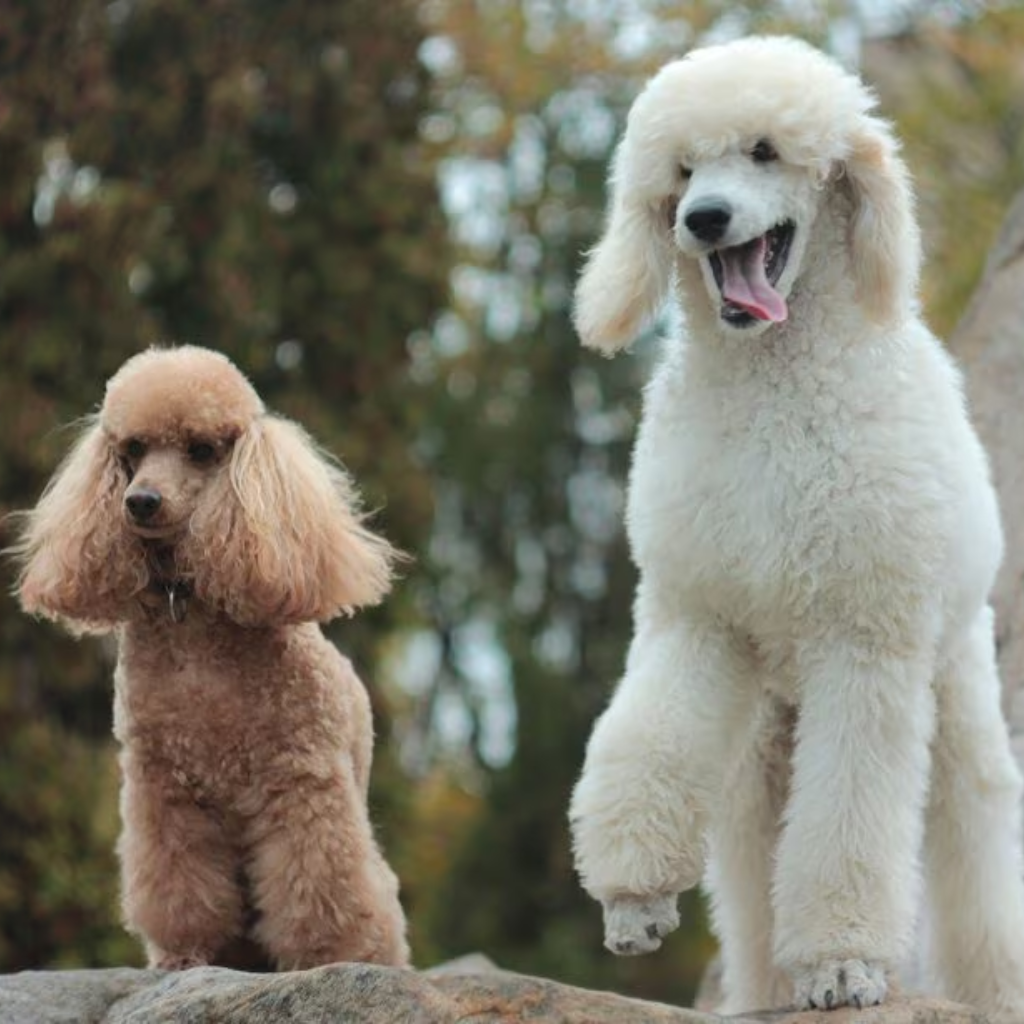
The poodle tail serves as one of the most distinctive features of this elegant breed, combining functionality with aesthetic appeal. Whether you’re considering different styling options, learning proper maintenance techniques, or deciding between natural and docked tails, understanding the complete picture of poodle tail care ensures your canine companion looks magnificent while remaining comfortable and healthy.
Understanding Natural Poodle Tail Characteristics
Every poodle enters the world with a naturally long tail that can reach approximately ten inches in length when fully grown. The natural poodle tail typically displays a moderate thickness, tapering gracefully toward the tip while showcasing the breed’s signature curly coat throughout its length. These tails may present themselves in various natural formations, with some remaining perfectly straight while others exhibit gentle curves or even pronounced curls that arch elegantly over the back when the dog feels excited or alert.
The texture and density of hair covering the poodle tail mirrors the body coat, featuring the same tight curls and continuous growth pattern that makes poodles hypoallergenic. This natural formation allows the tail to function as an essential communication tool, balance mechanism, and even a rudder during swimming activities. When poodles carry their natural tails high, they signal confidence and happiness, whereas a lowered tail might indicate submission or uncertainty about their surroundings.
Natural poodle tail variations exist even within single litters, demonstrating the genetic diversity present in the breed. Some puppies develop tails with slight curves near the tip, while littermates might grow completely straight tails. The way each poodle tail ultimately carries itself depends largely on inherited traits from parent dogs, creating unique characteristics that distinguish individual dogs from one another.
The Historical Practice of Tail Docking
The custom of shortening poodle tails traces back several centuries, rooted in both practical and cultural motivations. Originally bred as water retrievers, poodles worked alongside hunters to fetch waterfowl from lakes and rivers. Breeders believed that removing a portion of the poodle tail enhanced swimming speed and prevented injuries from dense underwater vegetation. The distinctive pompom left at the tip served a functional purpose, allowing hunters to spot their dogs more easily when heads bobbed above water surfaces during retrieval work.
Beyond hunting applications, tail docking became intertwined with breed standards and aesthetic preferences. Show organizations like the American Kennel Club established specific requirements regarding poodle tail length, typically specifying that approximately one-quarter to one-third of the original tail should be removed. The procedure traditionally occurs when puppies reach just three to five days old, performed before nervous systems fully develop, though modern veterinary science confirms that newborn puppies do experience pain during this process.
Contemporary perspectives on poodle tail docking have shifted dramatically across different regions. Throughout the European Union, tail docking has been prohibited since 1998, with poodles from European breeders consistently displaying full natural tails. Countries including Australia have similarly banned the practice, requiring show dogs to compete with unaltered tails. However, in the United States and Canada, docked tails remain the predominant standard, though increasing numbers of breeders now offer natural-tailed puppies to meet changing consumer preferences and ethical considerations.
The controversy surrounding poodle tail docking centers on cosmetic versus medical justifications. The American Veterinary Medical Association opposes tail docking performed solely for appearance, noting the lack of evidence supporting injury prevention claims. Opponents argue that removing portions of the poodle tail causes unnecessary pain and eliminates important functionality, while proponents maintain that breed tradition and show standards justify the practice.
Popular Poodle Tail Styles and Grooming Patterns
The Classic Pompom Style
The pompom represents perhaps the most recognizable poodle tail styling, featuring a shaved band at the base followed by a full, rounded ball of carefully scissored hair at the tip. Creating the perfect pompom requires technical precision and an understanding of proper proportions. Professional groomers recommend positioning the shaved band by laying the poodle tail flat against the body, then placing clippers horizontally at the lower edge of the anal area. This placement creates a narrow band that prevents the dreaded “palm tree” appearance where excessive shaved space sits beneath a small tuft.
Shaping the pompom itself demands patience and proper technique. Groomers begin by combing all tail hair toward the tip, then gathering it in one hand while using curved shears to establish the basic round shape. The layering technique produces fuller, more dimensional pompoms by splitting hair down the middle and working around sides to create depth. Regular maintenance every four to six weeks keeps pompoms looking crisp and well-defined, though daily brushing prevents matting between professional grooming appointments.
Natural Flow Styling
Some poodle owners prefer maintaining their dog’s tail in a more natural state, allowing hair to flow freely along the entire length. This approach works beautifully for poodles with particularly full, healthy coats and creates a softer, less formal appearance. Natural poodle tail styling still requires regular trimming to prevent scraggly ends and maintain proportional balance with the body coat. Groomers typically remove dead ends using curved shears while the tail hangs naturally, then tidy stray hairs with thinning shears when held in its normal upright position.
The natural style demands more frequent brushing than trimmed alternatives, as longer hair tangles more easily and collects debris during outdoor activities. Owners must commit to brushing their poodle tail every other day minimum, paying special attention to the tip area where knots form most readily. Using detangling sprays formulated specifically for curly coats helps maintain smoothness and reduces grooming time significantly.
Contemporary Custom Designs
Modern grooming trends have introduced creative variations on traditional poodle tail styles. The lion cut features a closely trimmed base covering approximately two-thirds of tail length, leaving a full plume at the end that mimics a lion’s tufted tail. This dramatic style works particularly well for standard poodles and creates striking visual impact when dogs carry their tails high. The teddy bear variation leaves uniform length throughout the tail, integrating seamlessly with overall body styling for a cuddly, approachable appearance.
Some adventurous owners opt for completely shaved poodle tails, eliminating maintenance requirements while highlighting the tail’s natural curve. This practical choice suits active dogs who spend considerable time swimming or hiking through brush, though it removes the distinctive styling element that many associate with poodles. Others request creative patterns shaved into longer tail hair, incorporating geometric shapes or color contrasts achieved through safe pet dyes.
Comprehensive Maintenance and Care Techniques
Proper Brushing Methods
Maintaining a healthy poodle tail begins with establishing consistent brushing routines that prevent matting and distribute natural oils throughout the coat. For longer tail styles, slicker brushes work best to remove tangles and debris, while shorter cuts benefit from softer bristle brushes that smooth hair without causing discomfort. Always begin brushing at the tip and work gradually toward the base, gently separating any knots encountered rather than pulling through them forcefully.
The ideal brushing frequency depends on poodle tail length and activity level. Natural tails require daily attention to prevent mat formation, particularly after outdoor adventures or swimming sessions. Docked tails with pompoms need brushing every other day minimum, focusing on the fuller portion where hair grows longest. Completely shaved tails demand the least frequent brushing but still benefit from weekly sessions to maintain skin health and check for any irregularities.
Metal combs serve as essential secondary tools for thorough poodle tail grooming. After completing initial brushing with a slicker or bristle brush, run a fine-toothed comb through the tail to catch any remaining tangles the brush missed. Pay particular attention to areas where the tail meets the body, as this junction tends to mat quickly due to natural movement and friction.
Bathing and Drying Protocols
Washing the poodle tail properly ensures cleanliness without creating additional matting or tangles. During bath time, thoroughly wet the tail before applying shampoo formulated specifically for curly coats. Work shampoo through hair using gentle massaging motions, avoiding excessive rubbing that creates knots. Follow with conditioner, allowing it to penetrate for several minutes before rinsing completely. Residual product left in the poodle tail often leads to skin irritation and makes hair sticky, attracting dirt more readily.
The drying process requires careful attention to prevent damage and maintain style. Gently squeeze excess water from the tail using a soft towel, avoiding vigorous rubbing motions. High-velocity dryers work excellently for straightening curly poodle tail hair before clipping or scissoring, though lower heat settings prevent burns and damage. For everyday maintenance, air drying works adequately for natural styles, while pompoms benefit from blow drying that adds volume and fullness.
Sanitary Trimming Considerations
Regardless of chosen styling, maintaining sanitary cleanliness around the poodle tail base remains essential for health and comfort. Hair growing immediately around the anal area requires regular trimming to prevent fecal matter from clinging to fur. Use small, rounded scissors designed specifically for sensitive areas, working carefully to avoid nicking delicate skin. Many groomers recommend trimming this zone every three to four weeks, even when leaving the rest of the tail longer between full grooming sessions.
Checking the poodle tail regularly for signs of irritation, infection, or injury should become part of routine care. Look for redness, swelling, discharge, or any areas where your dog seems sensitive to touch. Unusual odors emanating from the tail base might indicate infection requiring veterinary attention. Parasites occasionally attach to tail areas, particularly after outdoor excursions through wooded areas, making thorough inspections important for overall health maintenance.
Grooming Tools and Equipment Essentials
Cutting and Shaping Instruments
Professional-quality curved shears prove indispensable for creating smooth, rounded shapes on poodle tails. Eight-inch curved shears offer versatility for various tail sizes, allowing groomers to follow natural curves while establishing clean lines. Thinning shears help blend different lengths seamlessly and remove bulk without creating harsh edges. Chunking shears serve similar purposes while working more quickly on thicker coats.
Clippers become necessary when creating shaved bands or lion-style cuts on the poodle tail. Short blade lengths between #10 and #15 work best for close shaves without causing clipper burn. Always move clippers in the direction of hair growth and avoid pressing too firmly against skin. Blade maintenance including regular oiling and sharpening ensures smooth operation and prevents pulling hair painfully.
Brushes and Combs Selection
Investing in high-quality brushes specifically designed for curly coats makes poodle tail maintenance significantly easier. Pin brushes with rounded tips work wonderfully for longer hair sections, particularly the fuller portions of pompom styles. Slicker brushes featuring fine wire bristles set in rubber effectively remove loose hair and work through minor tangles without causing discomfort. For puppies or dogs sensitive to grooming, softer bristle brushes provide gentler options that still accomplish necessary grooming tasks.
Metal combs in various tooth spacings should form part of every poodle owner’s grooming kit. Wide-toothed combs help initially work through tangles, while fine-toothed versions catch any remaining snags and verify thoroughness. Specialty tail combs featuring extra length accommodate the full reach of natural poodle tails, allowing owners to comb smoothly from base to tip in single strokes.
Supportive Grooming Products
Quality conditioners and detangling sprays make substantial differences in poodle tail maintenance ease. Look for products formulated specifically for curly or wire coats that provide moisture without weighing hair down or leaving greasy residue. Conditioning sprays applied between baths help maintain softness and reduce static that contributes to tangling. For show dogs or special occasions, volumizing mousses enhance pompom fullness and help styles hold shape longer.
Waterless shampoos and grooming wipes offer convenient options for spot cleaning the poodle tail between full baths. These products work particularly well for addressing minor soiling without requiring complete washing sessions. However, they shouldn’t replace regular bathing entirely, as thorough cleansing remains necessary for optimal coat and skin health.
Health Considerations and Problem Prevention
Common Tail-Related Issues
Matting represents the most frequent problem affecting poodle tails, particularly when grooming schedules slip or dogs spend significant time outdoors. Severe mats pull painfully on skin and can restrict natural tail movement. When mats form close to the skin, carefully work them apart using detangling spray and fingers before attempting to brush them out. Extremely tight mats might require professional removal or even clipping if they cannot be safely separated without causing distress.
Skin irritations sometimes develop on poodle tails due to various causes including allergies, parasites, or excessive moisture trapped against skin. Hot spots appear as red, inflamed areas that dogs obsessively lick or bite. These require veterinary treatment to resolve fully, though keeping the tail clean and dry helps prevent their occurrence. Regular grooming sessions provide opportunities to inspect skin thoroughly and catch potential problems early before they escalate.
Maintaining Tail Functionality
The poodle tail serves important purposes beyond appearance, functioning as a communication tool that conveys emotional states to other dogs and humans. Preserving full range of motion and natural carriage ensures dogs can express themselves effectively. Avoid styling choices that pull hair so tightly that tail movement becomes restricted or painful. Natural tail positions vary between individual poodles, with some carrying tails straight up while others hold them curved over backs.
Balance represents another crucial function affected by the poodle tail. Dogs use their tails as counterweights when making tight turns, jumping, or navigating uneven terrain. This explains why many performance dogs competing in agility or other sports benefit from retaining natural, undocked tails. The rudder effect in water also remains significant for poodles who swim regularly, as tails help them steer and maintain stability in currents.
Seasonal Adjustments
Adapting poodle tail grooming to seasonal changes helps maintain comfort throughout the year. During summer months, shorter styles prevent overheating and reduce the accumulation of burrs, foxtails, or other plant materials that attach to longer hair. Winter grooming might leave tails slightly longer for additional warmth, though excessive length can collect ice balls and snow that freeze against skin.
Seasonal shedding doesn’t affect poodles the way it impacts many other breeds, but hair growth rates fluctuate with changing daylight hours and temperatures. Some owners notice their poodle tail hair grows more rapidly during spring and summer, necessitating more frequent trimming appointments. Maintaining consistent grooming schedules regardless of season prevents hair from becoming unmanageable between professional visits.
Selecting Appropriate Styles for Different Poodle Varieties
Toy Poodle Considerations
The diminutive size of toy poodles requires scaled-down approaches to tail styling. Their naturally shorter tails, whether docked or left natural, limit styling options compared to larger varieties. Pompoms must be proportionally smaller to avoid overwhelming the toy poodle’s petite frame. Many toy poodle owners prefer simpler styles that require less intensive maintenance, such as uniform trimming that keeps tail hair neat without elaborate shaping.
Sensitivity becomes particularly important when grooming toy poodle tails, as these small dogs may feel intimidated by grooming equipment or procedures. Introducing grooming gradually from puppyhood, using positive reinforcement and patience, helps toy poodles accept tail maintenance as a normal part of their routine. Extra care prevents accidentally clipping delicate skin or frightening dogs with sudden movements.
Miniature Poodle Options
Miniature poodles offer slightly more versatility in tail styling than toys while remaining more manageable than standards. The moderate size allows for well-proportioned pompoms, natural styles, or creative variations. Miniature poodle tails typically measure between three and five inches after docking, providing adequate length for most styling preferences. Natural tails on miniatures reach full length while remaining easier to handle than the substantial tails of standard poodles.
Active miniature poodles benefit from practical styles that withstand romping and playing without becoming disheveled. The Miami clip features short body hair with pompoms on the legs and tail, creating a polished appearance that requires moderate maintenance. This style suits miniatures who participate in dog sports or spend considerable time outdoors, as it prevents excessive matting while maintaining breed-typical elegance.
Standard Poodle Styling
Standard poodles present the fullest canvas for elaborate tail styling due to their substantial size and coat volume. Their tails command attention as prominent features that significantly impact overall appearance. Show standards often demand precisely sculpted pompoms with narrow shaved bands, though pet standards frequently wear more relaxed variations. The continental clip showcases standard poodles beautifully, featuring comprehensive shaving on hindquarters and body with full pompoms on legs and tail.
The sheer volume of hair on standard poodle tails means grooming sessions take longer and require more product than smaller varieties. Professional groomers often charge premium rates for standards due to increased time investment and product usage. Home grooming remains feasible for dedicated owners willing to invest in quality equipment and develop necessary skills through practice and education.
Training and Behavioral Aspects
Acclimating Dogs to Tail Grooming
Successfully grooming a poodle tail depends significantly on the dog’s cooperation and comfort level. Beginning desensitization early in puppyhood establishes positive associations with tail handling and grooming procedures. Start by simply touching and holding the puppy’s tail during regular interaction, offering treats and praise to create pleasant experiences. Gradually introduce brushes, combs, and other tools, allowing puppies to sniff and investigate before using them.
Counter-conditioning techniques help anxious dogs overcome fear of tail grooming. Pair each grooming action with high-value rewards, working at the dog’s pace rather than rushing through procedures. If your poodle shows significant distress, break grooming into shorter sessions over several days rather than completing everything at once. Patience during initial training saves considerable frustration and creates willing participants rather than resistant opponents.
Preventing Tail Sensitivity
Some poodles develop heightened sensitivity around their tails due to negative experiences or insufficient early socialization. This sensitivity manifests as pulling away, snapping, or showing other signs of distress when tails are touched. Rebuilding trust requires gentle consistency and never forcing interactions that provoke extreme reactions. Work with professional trainers or behaviorists if tail sensitivity interferes significantly with necessary grooming or veterinary care.
Regular positive handling maintains comfort with tail manipulation even in dogs who weren’t initially sensitive. Incorporate brief tail checks and brushing into daily routines, always ending on positive notes with rewards. This ongoing practice prevents the development of touch sensitivity and makes emergency veterinary examinations less stressful should injuries or health issues arise.
Frequently Asked Questions About Poodle Tails
How often should I brush my poodle tail?
Brushing frequency depends primarily on tail style and length. Natural poodle tails benefit from daily brushing to prevent mat formation and remove debris collected during activities. Pompom styles require brushing every other day at minimum, focusing on the fuller section where tangles develop most readily. Completely shaved tails need weekly brushing primarily for skin stimulation rather than tangle prevention. Active dogs who spend significant time outdoors may need more frequent brushing regardless of style.
Can poodles swim with natural tails?
Poodles swim excellently with natural tails, often using them as effective rudders for steering and stability in water. The notion that docked tails enhance swimming ability lacks scientific support, as numerous breeds with full tails demonstrate superior aquatic skills. Natural poodle tails actually provide functional advantages during swimming by improving balance and directional control. After swimming sessions, thoroughly rinse and dry the tail to prevent matting and skin problems from prolonged moisture exposure.
What causes my poodle tail to mat so quickly?
Several factors contribute to rapid matting in poodle tails. Insufficient brushing represents the primary cause, as even one or two days without proper grooming allows tangles to form in curly coats. Environmental conditions including humidity increase curl tightness and tangling tendency. Swimming without thorough post-bath drying creates ideal conditions for mat development. Using incorrect grooming tools or techniques that don’t fully penetrate to skin level leaves hidden tangles that worsen over time. Quality conditioning products and proper brushing methods dramatically reduce matting frequency.
Is tail docking painful for puppies?
Current veterinary understanding confirms that tail docking causes pain even in very young puppies. While some historically believed newborn nervous systems hadn’t developed sufficiently to register pain, research demonstrates that puppies possess functional pain receptors from birth. The procedure typically occurs without anesthesia due to safety concerns about using it on neonates. Many veterinary organizations including the AVMA oppose cosmetic tail docking specifically because it inflicts unnecessary pain. The ethical debate continues between those prioritizing breed tradition and those emphasizing animal welfare.
How do I prevent my poodle from chewing their tail?
Tail chewing often indicates underlying issues requiring investigation. Medical causes including allergies, parasites, or skin infections can trigger obsessive licking and chewing behaviors. Anxiety or boredom sometimes manifest as tail-focused behaviors, particularly in under-exercised or insufficiently stimulated poodles. Check carefully for any signs of physical problems and consult your veterinarian to rule out medical causes. Address behavioral triggers by increasing exercise, providing enrichment activities, and potentially working with trainers. Persistent tail chewing requires professional evaluation to identify and treat the root cause effectively.
What is the ideal length for a docked poodle tail?
Breed standards specify that docked poodle tails should leave approximately one-half to two-thirds of original length remaining. This translates to roughly one and a half inches for toy poodles, two inches for miniatures, and two inches for standards. The goal involves creating balanced proportions where the tail tip reaches approximately the same height as the top of the dog’s head when held erect. Tails docked excessively short create difficulty for grooming pompoms and may indicate inexperienced breeders who don’t understand proper breed standards.
How can I make my poodle’s pompom look fuller?
Creating impressive pompom fullness requires both proper grooming technique and adequate hair length. Allow tail hair to grow sufficiently long before attempting elaborate shaping, as insufficient length produces sparse, stringy results. Use volumizing products designed for curly coats when blow-drying to add lift and body. The layering technique significantly increases apparent fullness by creating depth and dimension within the pompom structure. Regular trimming removes dead ends that make hair appear thin and unhealthy. Ensure your poodle receives optimal nutrition supporting coat health, as deficiencies often manifest as poor hair quality and reduced fullness.