Teacher Jokes: The Ultimate Collection to Brighten Your Classroom
Teaching represents one of the most demanding yet rewarding professions in the world. Educators spend countless hours preparing lessons, grading assignments, managing classrooms, and shaping young minds. With such a challenging daily routine, humor becomes an essential tool for survival in the education system. Teacher jokes serve as the perfect remedy for stressful days, offering moments of levity that can transform an ordinary classroom into a place of joy and connection.
Why Humor Matters in Educational Settings
The power of laughter in academic environments extends far beyond simple entertainment. Research demonstrates that incorporating humor into teaching strategies can significantly improve student engagement, enhance memory retention, and create stronger bonds between educators and their pupils. When instructors share clever wordplay or amusing anecdotes about school life, they’re not just telling jokes—they’re building community and making learning more accessible.
Educational humor triggers the brain’s dopamine reward system, which scientists link directly to motivation and long-term memory formation. This biological response means that funny teacher jokes aren’t merely time-fillers between lessons; they’re legitimate pedagogical tools that can enhance the learning experience. Students who laugh together develop stronger social connections, creating a classroom atmosphere where everyone feels more comfortable participating and taking intellectual risks.
Beyond cognitive benefits, humor provides emotional relief from academic pressure. When educators crack jokes about mathematics textbooks having too many problems or chemistry teachers being periodically wrong, they acknowledge the challenges inherent in education while maintaining an optimistic perspective. This balanced approach helps students view obstacles as manageable rather than overwhelming.
Classic Classroom Wordplay That Never Gets Old
Some teacher jokes have achieved legendary status in faculty lounges worldwide because they capture universal truths about school life with remarkable precision. These timeless quips rely on clever wordplay, puns, and double meanings that make both educators and students groan and giggle simultaneously.
Consider the geometry instructor who couldn’t control her pupils—a perfect example of double-entendre humor that plays on the dual meaning of students and the parts of eyes. Similarly, when someone asks why the mathematics book visited a therapist, the answer “it had too many problems” resonates with anyone who has struggled through algebra homework. These jokes work because they acknowledge real frustrations while transforming them into something entertaining.
Subject-specific humor particularly delights educators who teach those disciplines. Art teachers love hearing that they excel at drawing out creativity in students. Music instructors appreciate jokes about having perfect pitch or losing their keys on the piano. Science teachers enjoy references to chemistry solutions or biology teachers having cultures that need to grow. Each subject area offers rich material for specialized humor that celebrates the unique challenges and joys of different academic fields.
The beauty of classic teacher jokes lies in their accessibility. Even young children can understand why kindergarten teachers have the greenest thumbs or why the computer visited the nurse’s office with a virus. This universal appeal makes such humor perfect for classrooms spanning elementary through high school, providing common ground that transcends age differences.
Hilarious Student-Teacher Interactions
The dynamic between instructors and learners provides endless material for amusing scenarios. These exchanges often highlight the creative thinking children display when interpreting instructions literally or finding unexpected loopholes in assignments. When a teacher tells a student to take a seat and the student steals a chair, the humor emerges from the gap between intended meaning and literal action.
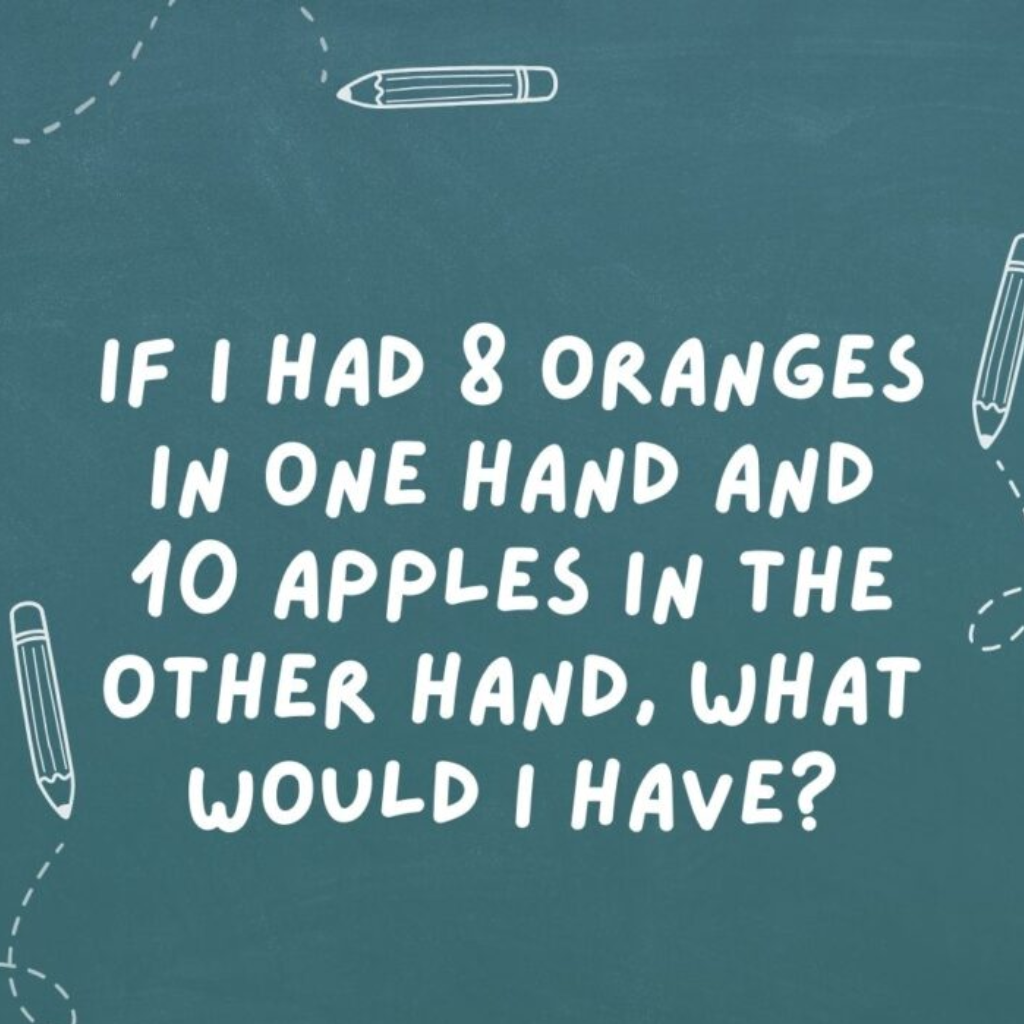
Question-and-answer exchanges between educators and pupils generate particularly memorable moments. Imagine a teacher asking what they would have if holding eight oranges in one hand and ten apples in the other, only for a student to respond “big hands.” This type of lateral thinking showcases how young minds approach problems from angles adults might overlook. Such interactions remind teachers why they love working with children despite the challenges.
Classroom jokes about tardiness and excuses provide another rich vein of humor. The student who arrives late because a sign said “School Ahead, Go Slow” demonstrates the kind of creative reasoning that exasperates and delights educators simultaneously. These scenarios reflect real classroom dynamics while exaggerating them just enough to transform frustration into laughter.
Teachers also enjoy self-deprecating humor about their profession. Jokes about educators going to eye doctors because they cannot control their pupils or becoming gardeners to help students grow acknowledge the metaphorical language surrounding teaching while giving it a literal, amusing twist. This self-awareness demonstrates that instructors can laugh at themselves and their chosen profession.
Mathematics and Science Humor for Academic Minds
STEM subjects naturally lend themselves to technical wordplay that appeals to analytically-minded individuals. Mathematics teacher jokes often revolve around numerical concepts, geometric principles, and algebraic terminology. Why did pi lose its driving license? Because it didn’t know when to stop—a reference to the infinite nature of this mathematical constant that any geometry student can appreciate.
Math instructors enjoy telling peers about eating at multiplication tables or working on their tan-gents at the beach. These puns transform mathematical vocabulary into everyday scenarios, making abstract concepts more relatable. When someone asks what a ruler, protractor, and compass hanging together should be called, the answer “weapons of math instruction” perfectly captures both the tools’ purpose and students’ occasional fear of mathematics.
Science teacher jokes embrace the quirky nature of scientific disciplines. Physics teachers appreciate humor about matter and energy, while biology instructors enjoy references to cells and organisms. Chemistry jokes frequently play on elements, reactions, and the double meaning of “solution” as both a problem answer and a chemical mixture. The biology teacher who wanted to win the no-bell prize represents the kind of pun that makes scientists smile while making non-scientists groan.
These subject-specific jokes serve multiple purposes in classrooms. They make difficult concepts more approachable by associating them with humor rather than anxiety. They also help students remember terminology through memorable wordplay. When someone jokes about parallel lines never meeting because they have nothing in common, the mathematical concept becomes linked to a social scenario that’s easier to recall during examinations.
Creative Ways to Use Humor in Daily Teaching
Incorporating teacher jokes into lesson plans requires thoughtfulness and timing. Effective educators understand that humor works best when it enhances rather than disrupts learning. Starting class with an amusing anecdote related to the day’s topic can capture attention and set a positive tone. Similarly, concluding lessons with relevant jokes helps students leave feeling upbeat about the subject matter.
Brain breaks represent ideal opportunities for injecting humor into academic routines. When students show signs of mental fatigue during intensive study sessions, a quick joke can refresh their minds and restore focus. These brief moments of levity allow young people to recharge before returning to demanding intellectual work. Teachers who master this balance find that their classrooms maintain higher energy levels throughout the day.
Some instructors create joke cards that students can draw randomly during appropriate times. This strategy empowers learners to share humor with their peers, building confidence in public speaking while maintaining classroom management. Students often remember these moments long after forgetting specific lessons, demonstrating humor’s power to create lasting positive associations with education.
However, successful use of classroom humor requires awareness of boundaries and sensitivities. Jokes should never target individual students or make anyone feel uncomfortable. The best teacher jokes celebrate the shared experience of education without diminishing anyone’s dignity. Inclusive humor that everyone can enjoy strengthens classroom community far more effectively than jokes that divide or exclude.
Building Community Through Shared Laughter
When educators and students laugh together, invisible walls between them crumble. Humor humanizes teachers, reminding young people that adults experience frustrations, make mistakes, and find joy in unexpected places. This vulnerability creates authentic connections that enhance the teacher-student relationship beyond mere academic instruction.
Faculty lounges benefit enormously from humor shared among colleagues. Teaching can feel isolating when educators spend most days with children rather than other adults. Swapping amusing classroom stories and clever jokes provides emotional support that helps prevent burnout. When teachers laugh together about universal experiences like grading mountains of essays or dealing with helicopter parents, they remember they’re part of a larger community facing similar challenges.
Parents also appreciate teachers who incorporate appropriate humor into their communication. Newsletter jokes or funny anecdotes shared during parent-teacher conferences demonstrate that educators maintain perspective and joy despite the profession’s demands. This approachability encourages families to view teachers as partners rather than authority figures, fostering collaboration that benefits students.
Frequently Asked Questions
What makes teacher jokes effective in classroom management?
Humor serves as a powerful classroom management tool by diffusing tension, recapturing attention, and creating positive associations with learning environments. When used strategically, teacher jokes can redirect off-task behavior without confrontation, celebrate student effort, and reinforce concepts through memorable wordplay. Effective educators recognize that well-timed humor prevents many behavioral issues before they escalate.
Are there age-appropriate considerations for sharing teacher jokes?
Absolutely. Elementary students enjoy simple puns and wordplay they can understand, while older students appreciate more sophisticated humor involving complex concepts. Teachers should always consider their audience’s developmental level, cultural backgrounds, and individual sensitivities. The most successful classroom humor respects all students while remaining genuinely funny rather than forced or patronizing.
How can new teachers develop their classroom humor skills?
Beginning educators can build their repertoire by collecting jokes from experienced colleagues, observing how veteran teachers use humor effectively, and paying attention to what makes their specific students laugh. Starting with safe, universal jokes about school life helps novice teachers gain confidence before attempting more spontaneous humor. Remember that authenticity matters more than quantity—a few genuine laughs beat a constant stream of forced jokes.
Can teacher jokes actually improve academic performance?
Research indicates that appropriate humor can enhance learning outcomes by increasing student engagement, improving information retention, and reducing anxiety about challenging subjects. When students associate positive emotions with academic content, they develop stronger memories and more favorable attitudes toward learning. However, humor should complement rather than replace solid instruction and meaningful practice.
What types of teacher jokes should educators avoid?
Instructors should steer clear of humor that targets individual students, references sensitive topics, relies on stereotypes, or creates uncomfortable situations. Sarcasm often backfires with younger students who interpret it literally. Political jokes, religious humor, and anything related to student appearance should remain outside classroom walls. The golden rule: if there’s any doubt about appropriateness, choose different material.
How often should teachers incorporate jokes into their lessons?
Quality trumps quantity when integrating humor into teaching. A few well-placed jokes that enhance learning prove far more effective than constant attempts at comedy that distract from educational objectives. Most successful teachers use humor naturally rather than forcing it into predetermined schedules. Letting classroom dynamics guide comedic timing ensures jokes feel organic rather than scripted.
Teacher jokes represent far more than simple entertainment—they’re essential tools that transform educational spaces into communities of joy, resilience, and shared experience. Whether you’re an exhausted educator seeking motivation, a student looking to lighten the academic load, or simply someone who appreciates clever wordplay about school life, these jokes remind us that laughter and learning make perfect partners. The next time classroom stress mounts or lessons feel overwhelming, remember that a well-timed joke might be exactly what everyone needs to remember why education matters.