THC Patches: Complete Guide to Transdermal Cannabis Delivery
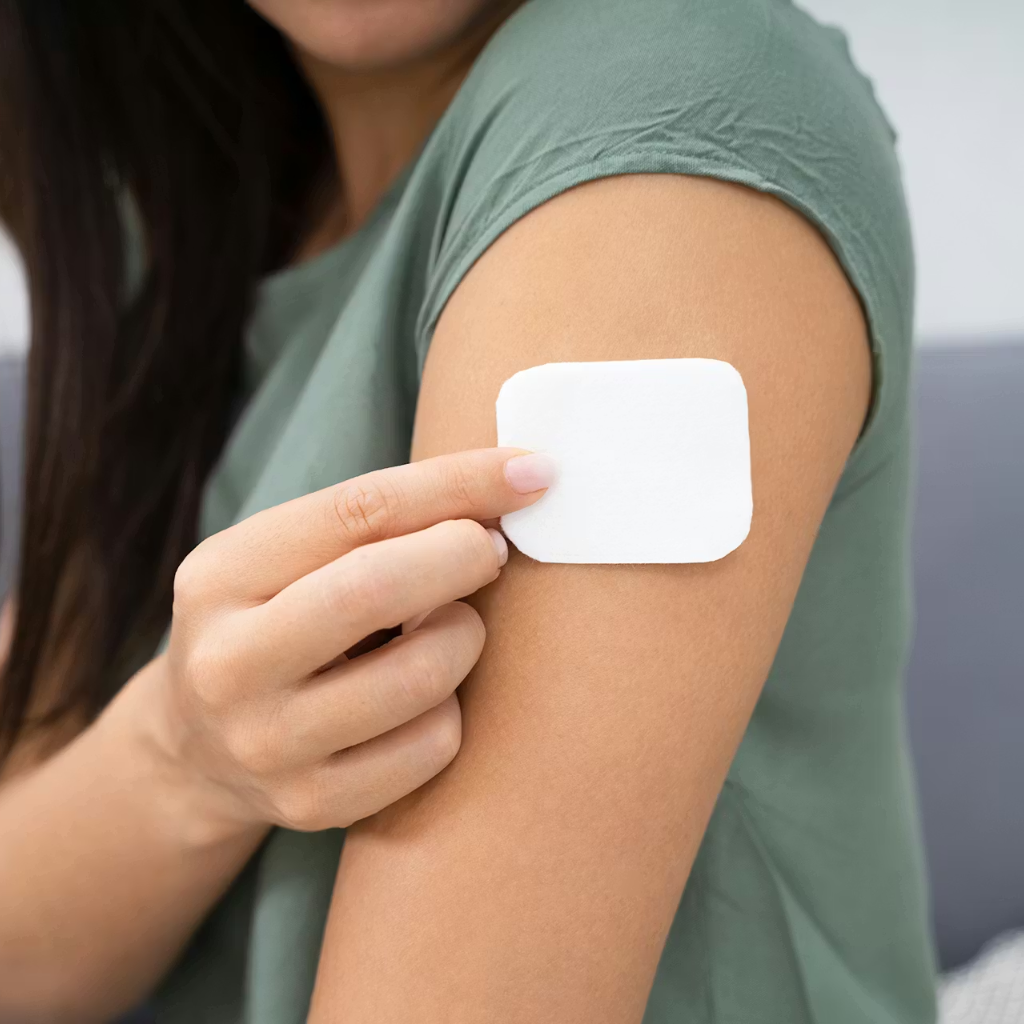
The world of cannabis consumption has evolved dramatically over recent years, introducing innovative delivery methods that cater to diverse lifestyles and wellness needs. Among these innovations, THC patches have emerged as a revolutionary approach to experiencing cannabinoid benefits without smoking or ingesting traditional products. These adhesive transdermal systems offer a discreet, convenient, and medically precise way to deliver tetrahydrocannabinol directly into your bloodstream through the skin.
Understanding How THC Patches Work Through Your Skin
THC patches operate through a sophisticated transdermal delivery mechanism that fundamentally differs from other cannabis products. When you apply a cannabis patch to your skin, it creates what scientists call a concentration gradient. The patch contains a high concentration of cannabinoids, while your skin naturally has little to none. Your body heat activates the patch, causing THC molecules to migrate through your skin layers and directly into your bloodstream, bypassing your digestive system entirely.
This transdermal method represents a significant advancement over traditional consumption routes. Unlike edibles that must navigate through your stomach and liver, where up to 95 percent of cannabinoids can be broken down, THC patches deliver compounds directly into circulation. The process typically begins within 10 to 30 minutes after application, though effects build gradually rather than hitting all at once. This controlled release means you experience steady, consistent relief rather than the dramatic peaks and valleys associated with smoking or eating cannabis products.
The patches themselves come in two primary designs. Matrix patches have cannabinoids infused directly into the adhesive layer, releasing medication when they contact your skin. Reservoir patches, alternatively, contain a gel-like cannabinoid mixture stored in a compartment that releases through a rate-controlling membrane. Both formulations incorporate permeation enhancers and carrier compounds specifically designed to help cannabinoids penetrate the skin’s natural barrier, which normally excels at keeping foreign substances out.
Extended Relief and Therapeutic Benefits of Cannabis Patches
The most compelling advantage of THC patches lies in their duration of effectiveness. While a joint might provide relief for two to three hours and edibles for four to six, transdermal patches deliver consistent cannabinoid levels for eight to twelve hours from a single application. Some advanced formulations even extend this window to 48 or 72 hours, offering multi-day relief without reapplication.
This extended timeframe transforms how people manage chronic conditions. Someone dealing with persistent back pain, arthritis, or fibromyalgia can apply a patch in the morning and experience uninterrupted relief throughout their workday and into the evening. The steady-state plasma concentration achieved through transdermal delivery eliminates the need to time doses around meals or activities, and there’s no risk of forgetting to take your next dose because the patch works continuously once applied.
Beyond convenience, THC patches provide whole-body therapeutic effects rather than just localized relief. The cannabinoids enter your bloodstream and circulate throughout your entire system, potentially addressing inflammation, pain, and other symptoms wherever they occur. This systemic delivery makes patches particularly valuable for conditions like neuropathy, cancer-related discomfort, post-traumatic stress disorder, and generalized anxiety, where symptoms aren’t confined to a single area.
Precision Dosing and Controlled Cannabis Consumption
One of the most significant challenges in cannabis medicine has always been dosing accuracy. When you smoke a joint or eat a brownie, the actual amount of THC entering your system varies wildly based on factors like metabolism, tolerance, and even what you’ve eaten that day. THC patches eliminate this uncertainty through pre-measured, pharmaceutical-grade dosing that delivers a specific quantity of cannabinoids over a defined timeframe.
Most cannabis patches contain between 10 and 100 milligrams of total cannabinoids, with common therapeutic doses ranging from 20 to 40 milligrams for moderate symptom management. The patch packaging clearly indicates the total cannabinoid content and the release rate, allowing users to calculate exactly how much medication they’re receiving per hour. This precision proves invaluable for medical patients who need consistent therapeutic levels to manage symptoms effectively.
The controlled release mechanism also provides a unique safety feature that other consumption methods lack. If you experience uncomfortable effects or simply need to stop medication for any reason, you can remove the patch immediately. Unlike edibles, where THC has already been absorbed and metabolized, or smoking, where effects linger in your system, patch removal stops cannabinoid delivery almost instantly. This reversibility offers peace of mind, particularly for new users or those exploring THC patches for the first time.
Choosing the Right THC Patch for Your Wellness Goals
Selecting an appropriate cannabis patch requires understanding the different formulations available and matching them to your specific needs. THC-dominant patches provide stronger psychoactive effects alongside therapeutic benefits, making them suitable for users seeking both pain relief and the euphoric qualities of cannabis. However, many people prefer patches that balance THC with cannabidiol to moderate psychoactive intensity while maintaining therapeutic effectiveness.
CBD-dominant patches offer therapeutic benefits with minimal to no intoxicating effects, making them ideal for daytime use or individuals sensitive to THC’s psychoactive properties. Some advanced formulations now incorporate additional cannabinoids like cannabinol for enhanced sleep support, or cannabigerol for specific wellness applications. These multi-cannabinoid patches leverage what researchers call the entourage effect, where different cannabis compounds work synergistically to produce enhanced therapeutic outcomes.
Full-spectrum versus isolate formulations represent another critical consideration. Full-spectrum patches contain THC alongside other naturally occurring cannabinoids, terpenes, and plant compounds found in cannabis. These comprehensive formulations may provide more robust therapeutic effects due to the interaction between various cannabis components. Isolate patches, conversely, contain only purified THC or CBD, offering predictable effects without the complexity of additional compounds.
Proper Application Techniques for Maximum Effectiveness
Successful THC patch usage begins with proper skin preparation and strategic placement. Before applying your cannabis patch, thoroughly clean the application site with warm water and unscented soap, then dry completely. Avoid using lotions, oils, or moisturizers, as these create a barrier that prevents optimal cannabinoid absorption. The alcohol prep pads included with many patches help remove excess oils and dead skin cells that might interfere with adhesion and absorption.
Placement location significantly impacts effectiveness. Choose areas with good blood circulation, thinner skin, and minimal hair growth. The inner wrist, top of the foot, ankle, upper arm, and behind the knee all represent excellent application sites. These veinous areas facilitate efficient cannabinoid transfer into your bloodstream. Avoid placing patches over joints that bend frequently, as movement can compromise adhesion and alter release rates.
Once you’ve selected your site, peel the protective backing from the patch and firmly press it against your clean, dry skin. Apply steady pressure for at least 30 seconds to ensure complete adhesion and activate the transdermal delivery system. The patch should feel secure and smooth against your skin without any bubbling or lifting at the edges. Most quality patches are designed to be water-resistant and sweat-proof, allowing you to shower, exercise, and go about normal activities without concern.
Managing Effects and Optimizing Your THC Patch Experience
The effects profile of THC patches differs markedly from other cannabis consumption methods. Rather than experiencing an immediate rush followed by a gradual decline, patches produce a gentle onset that builds over 30 to 60 minutes and maintains steady levels for hours. This gradual buildup means you might not notice dramatic changes initially, but effects accumulate and stabilize over the first one to two hours.
For many users, particularly those seeking symptom management rather than recreational effects, patches provide relief without significant intoxication. The slow, controlled absorption typically produces a milder psychoactive experience compared to smoking or high-dose edibles. This subtle effect profile allows people to function normally throughout their day while still receiving therapeutic benefits. Those managing chronic pain often report effective symptom control without the sedation or mental fog sometimes associated with other cannabis products.
First-time users should always start with lower-dose patches and monitor their response before progressing to higher strengths. Beginning with a 10-milligram patch allows you to assess your tolerance and sensitivity without risking overwhelming effects. If symptoms persist or relief proves inadequate, you can gradually increase dosage on subsequent applications. Remember that individual responses vary based on metabolism, body weight, tolerance, and the specific condition being treated.
Safety Considerations and Potential Side Effects
While THC patches are generally safe and well-tolerated, understanding potential side effects ensures informed decision-making. The most common issue involves mild skin irritation at the application site, including redness, itching, or occasionally a rash. Rotating application sites with each use minimizes this risk and prevents skin sensitization. If irritation develops, remove the patch, gently clean the area, and choose a different location for your next application.
Some users experience systemic effects including dizziness, dry mouth, or mild lightheadedness, particularly when first using patches or with higher THC concentrations. These symptoms typically resolve quickly upon patch removal. Starting with lower doses and gradually increasing as needed helps minimize uncomfortable side effects while you acclimate to transdermal cannabinoid delivery.
Certain populations should exercise additional caution with cannabis patches. Individuals with skin conditions like eczema, psoriasis, or severe dermatitis may find patches exacerbate their symptoms or fail to adhere properly. Pregnant and nursing women should avoid THC patches due to unknown effects on fetal and infant development. Anyone taking prescription medications should consult their healthcare provider before using cannabis patches, as cannabinoids can interact with various drugs by affecting liver enzyme systems responsible for medication metabolism.
The Smoke-Free Advantage of Transdermal Cannabis Delivery
For many cannabis users, one of the most compelling reasons to explore THC patches involves eliminating respiratory risks associated with smoking. Inhaling combusted plant material exposes your lungs to carcinogens, irritants, and tar, potentially causing chronic bronchitis, reduced lung function, and other respiratory complications over time. Transdermal delivery provides access to therapeutic cannabinoids without any impact on respiratory health.
This smoke-free alternative particularly benefits medical patients who require daily, long-term cannabis therapy but want to protect their lung health. Elderly patients, individuals with asthma or chronic obstructive pulmonary disease, and those concerned about secondhand smoke exposure all find patches offer a cleaner, safer consumption method. The absence of cannabis odor also provides discretion that smoking or vaping cannot match, allowing patients to medicate in professional settings, around family, or in public spaces without drawing attention.
Beyond respiratory benefits, patches eliminate the harsh throat irritation and coughing sometimes associated with smoking or vaping. There’s no learning curve for inhalation technique, no expensive vaporizer equipment to maintain, and no concern about combustion temperature affecting cannabinoid degradation. You simply apply the patch and let the transdermal system handle delivery automatically.
Cost Effectiveness and Value Considerations
Cannabis patches typically range from ten to fifty dollars per unit, with pricing influenced by cannabinoid potency, brand reputation, formulation complexity, and whether the patch contains THC, CBD, or balanced ratios. While this might initially seem expensive compared to purchasing flower or other products, the extended duration and precise dosing often provide superior value when calculated per hour of effect.
A single twenty-dollar patch providing twelve hours of consistent relief delivers medication at approximately $1.67 per hour. Compare this to other consumption methods requiring multiple doses throughout the day, and the economic advantage becomes clear. Additionally, the elimination of waste from partially consumed joints, the convenience of not needing smoking accessories, and the medical precision of dosing contribute to overall cost effectiveness.
For patients using cannabis therapeutically rather than recreationally, the ability to control symptoms with predictable, long-lasting relief often justifies the higher per-unit cost. The discretion, convenience, and consistent effects provided by THC patches may ultimately save money by improving quality of life, reducing the need for breakthrough doses, and eliminating the trial-and-error associated with less precise consumption methods.
Frequently Asked Questions About THC Patches
How long do THC patches take to start working?
Most people begin experiencing effects within 30 to 60 minutes after applying a THC patch, though this timing can vary based on individual metabolism, skin thickness, and application location. Unlike smoking or vaping, which produce nearly immediate effects, transdermal delivery provides a gradual onset as cannabinoids slowly penetrate your skin and enter the bloodstream. Effects build over the first one to two hours and then maintain steady levels for the duration of wear time.
Can you cut THC patches to adjust the dosage?
Many matrix-style patches can be safely cut to customize dosage, particularly those where cannabinoids are uniformly distributed throughout the adhesive. However, reservoir patches should never be cut, as this compromises the rate-controlling membrane and can cause uncontrolled cannabinoid release. Always check manufacturer instructions before cutting any patch, and use clean scissors to ensure accurate portions. If your patch is cuttable, dividing it allows you to start with half or quarter doses to assess tolerance.
Where is the best place to apply a cannabis patch?
The most effective application sites include areas with good blood flow, thinner skin, and minimal hair, such as the inner wrist, top of the foot, upper arm, ankle, or behind the knee. These veinous locations facilitate efficient cannabinoid absorption into the bloodstream. Avoid placing patches over joints that bend frequently, extremely hairy areas, or skin with cuts, rashes, or irritation. Rotating application sites between uses helps prevent skin sensitivity and ensures consistent absorption.
Do THC patches get you high like smoking does?
THC patches produce a milder, more gradual psychoactive experience compared to smoking or vaping. The slow, controlled release typically results in subtle effects that allow most users to function normally throughout the day while still receiving therapeutic benefits. Many people describe patch effects as providing relief without significant intoxication. However, individual responses vary based on dosage, tolerance, and sensitivity, so those new to cannabis should start with lower-dose patches.
How do THC patches compare to topical creams?
While both are applied to the skin, they work fundamentally differently. Topical creams remain localized to the application area, affecting only the first few layers of skin without entering the bloodstream. They provide targeted relief for specific problem areas. THC patches, conversely, deliver cannabinoids transdermally into the bloodstream for systemic, whole-body effects. Patches offer longer-lasting relief that addresses symptoms throughout your entire body rather than just at the application site.